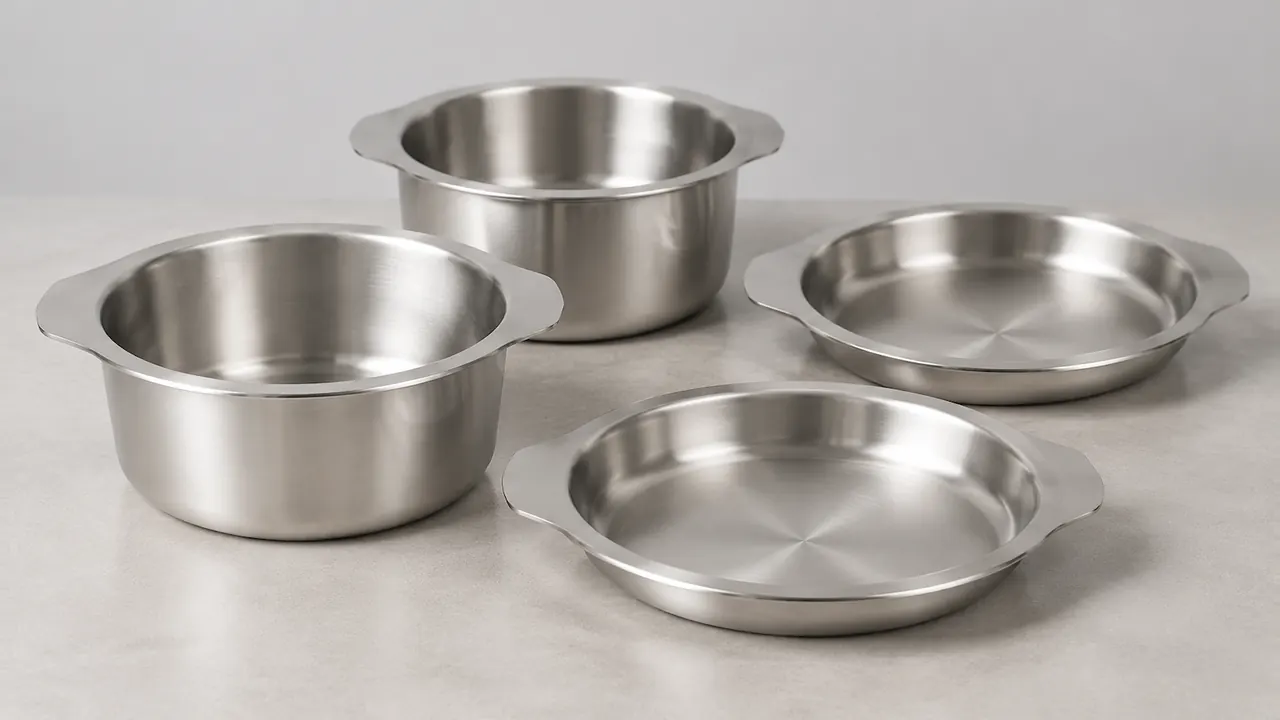
Starting a wholesale cookware program without overcommitting
Begin with a tight assortment, clear packing, and a repeatable RFQ — then expand with demand.
Read more →Original sourcing guidance on materials, kitchen assortments, OEM packing, and clear RFQ specifications.
Loading guides…
Share your sizes, quantities, destination, and OEM needs. Inquiries go through this form — no online checkout.
Email: info@utensora.com
Phone: +86 13751663289
WhatsApp: +86 13751663289
Commercial kitchenware assortments — soup barrels, pots, pans, steamers, fryers, woks, and sets. Browse products
Focus markets: United States, Middle East, and South America (factory-direct from China).
Open the full contact page →48 articles for hotels, catering kitchens, and distributors — materials, planning, packing, and RFQ practice.
Begin with a tight assortment, clear packing, and a repeatable RFQ — then expand with demand.
Read more →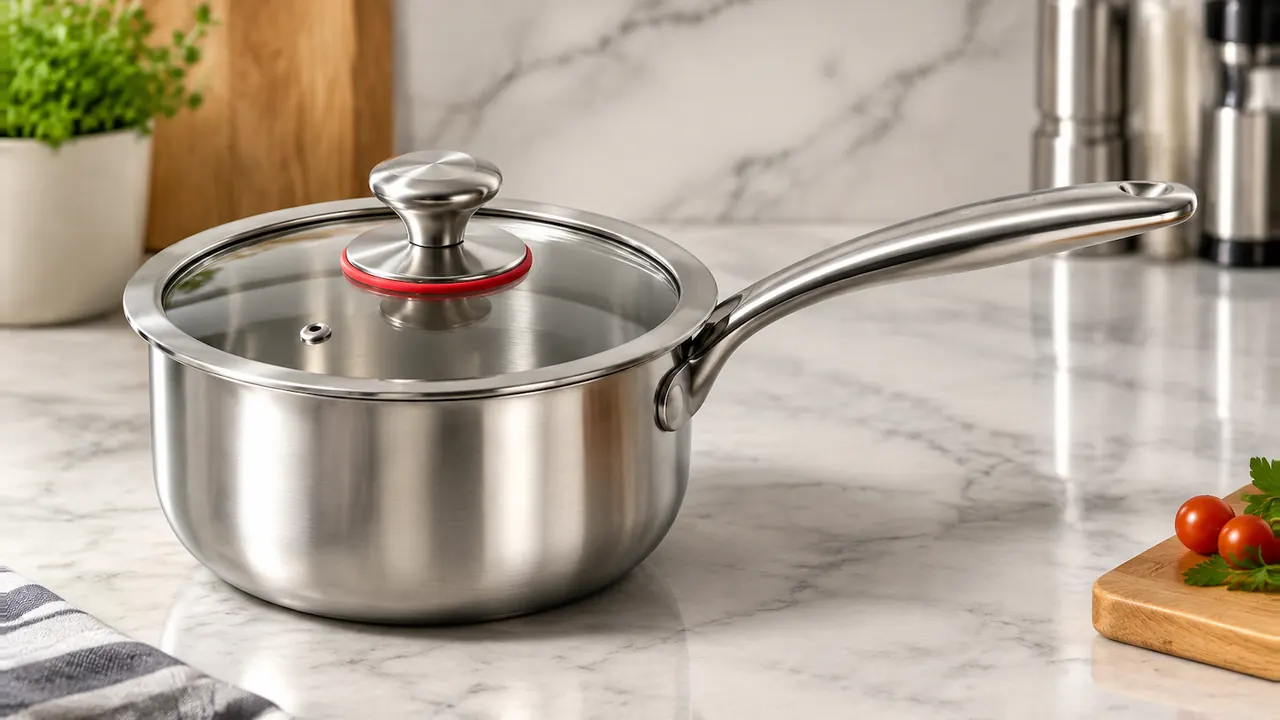
Mid-size pots often do more daily work than the largest stock vessels on the shelf.
Read more →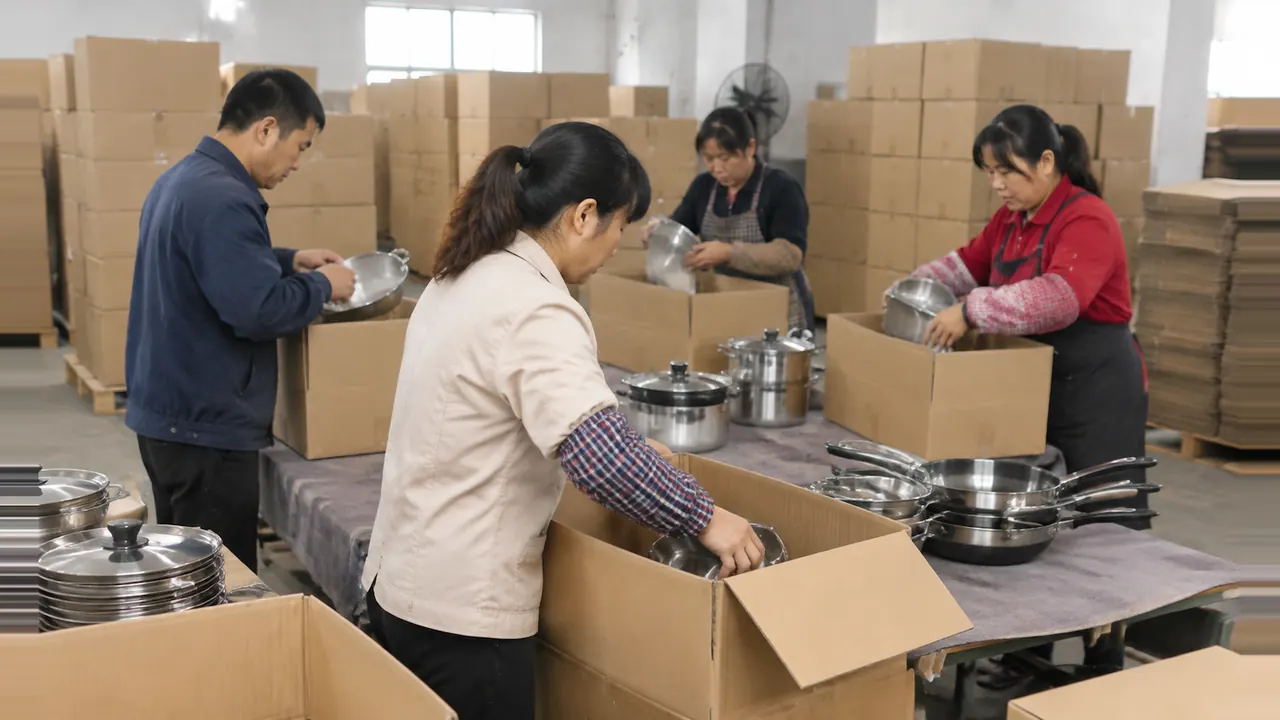
A simple inspection list — counts, finish, lids, packing marks — reduces surprises at the port.
Read more →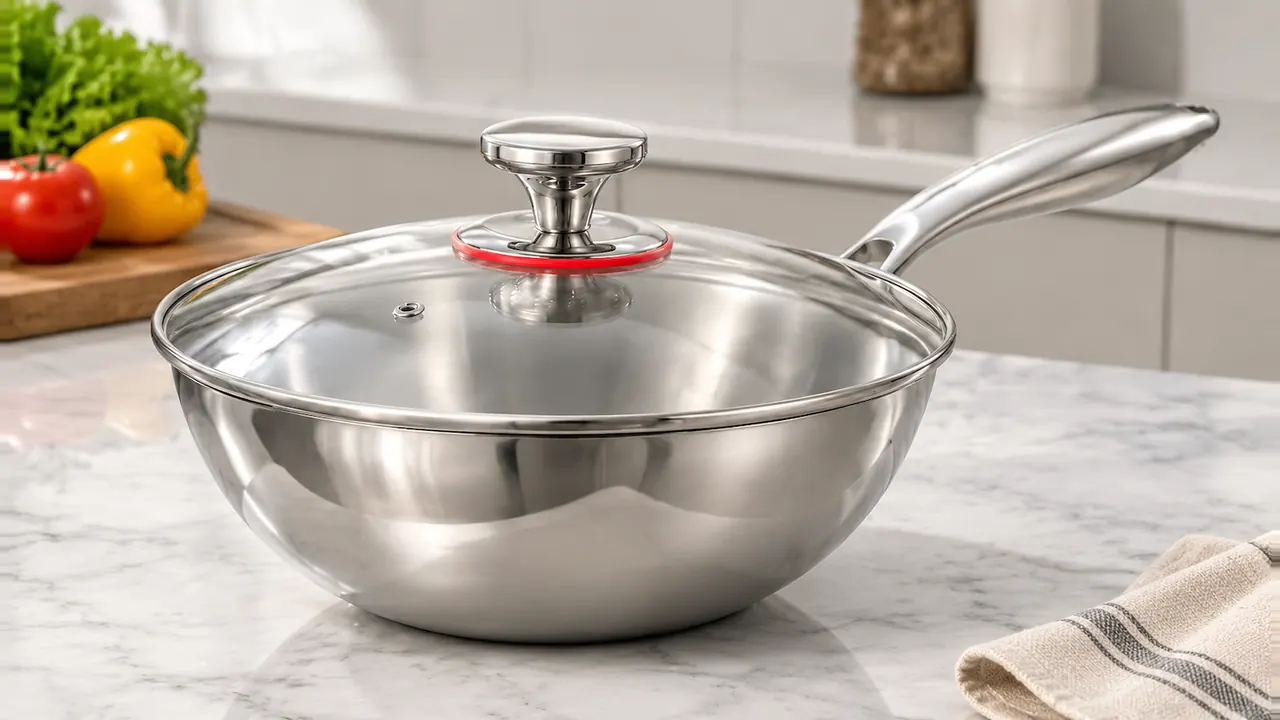
Woks are not universal, but they belong on a commercial list when the menu and burner can support them.
Read more →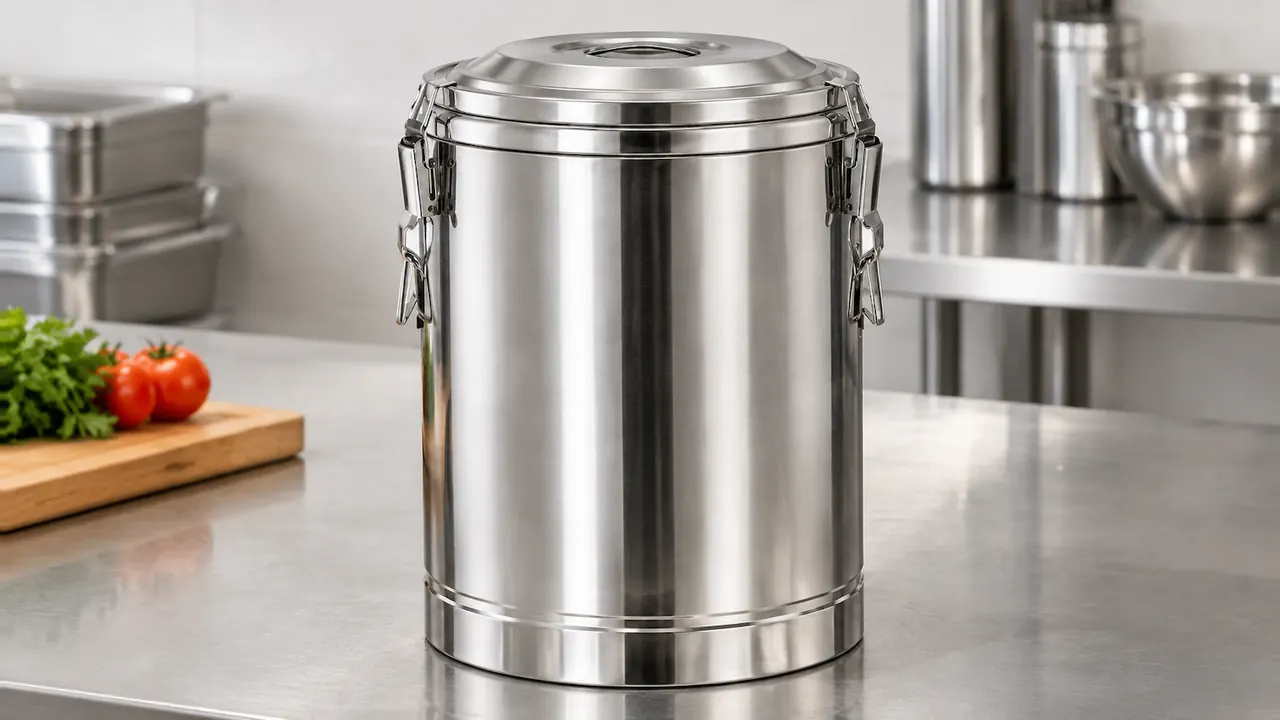
Holding temperature on a service line is a different job from cooking in a tall pot.
Read more →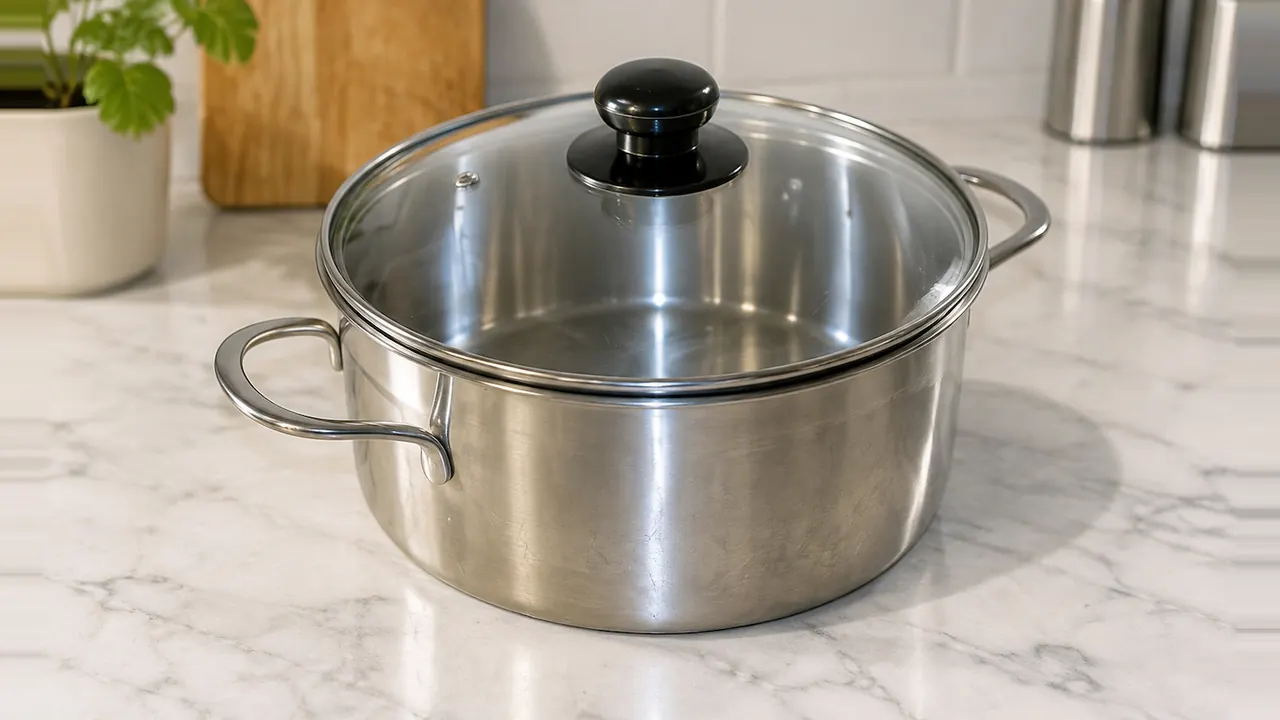
Grips, lid fit, and replacement parts are daily handling issues on commercial pots and barrels, not decoration.
Read more →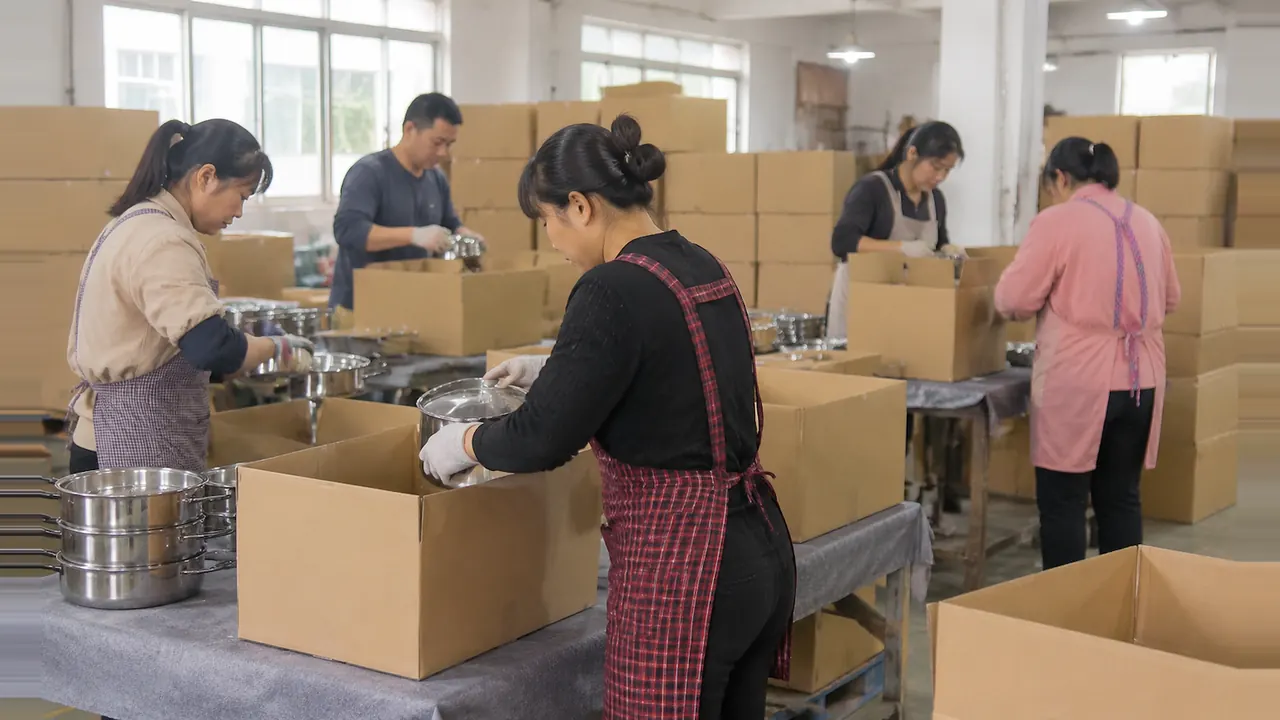
Destination, packing, languages, and assortment depth should be in the first conversation, not the last.
Read more →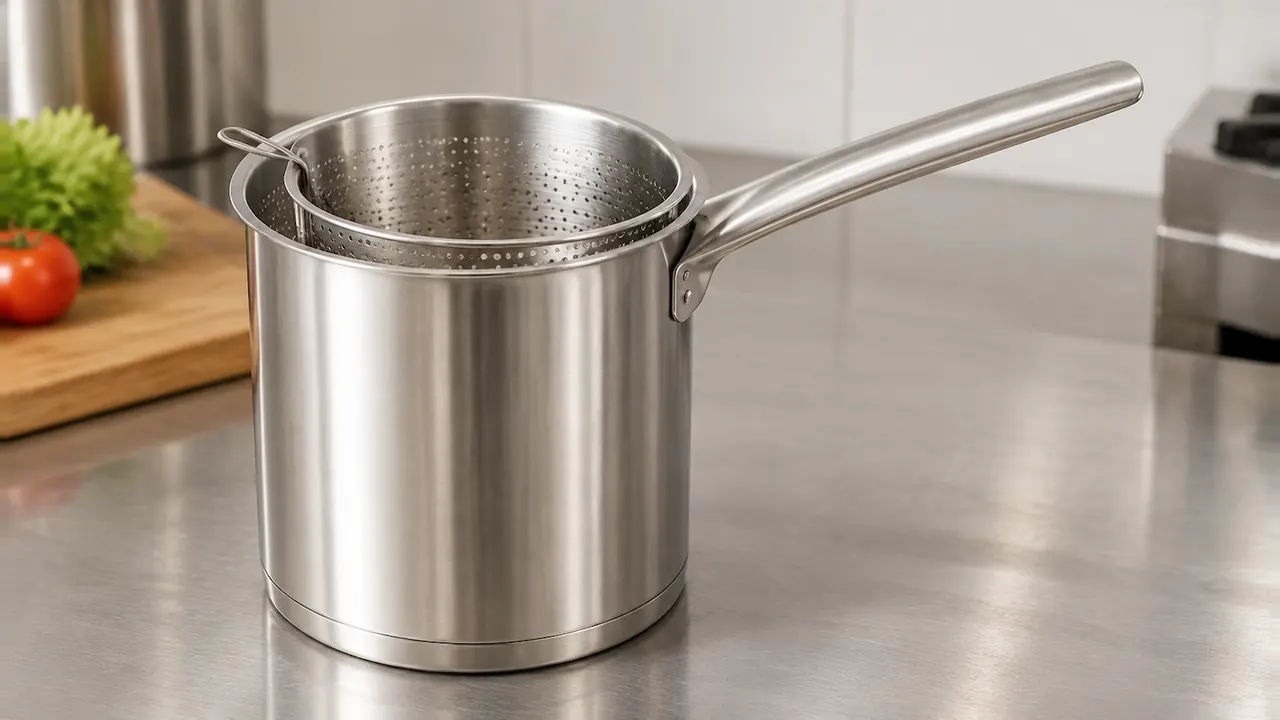
Baskets, thermometers, and pouring details matter as much as nominal capacity on a catering fry or pasta line.
Read more →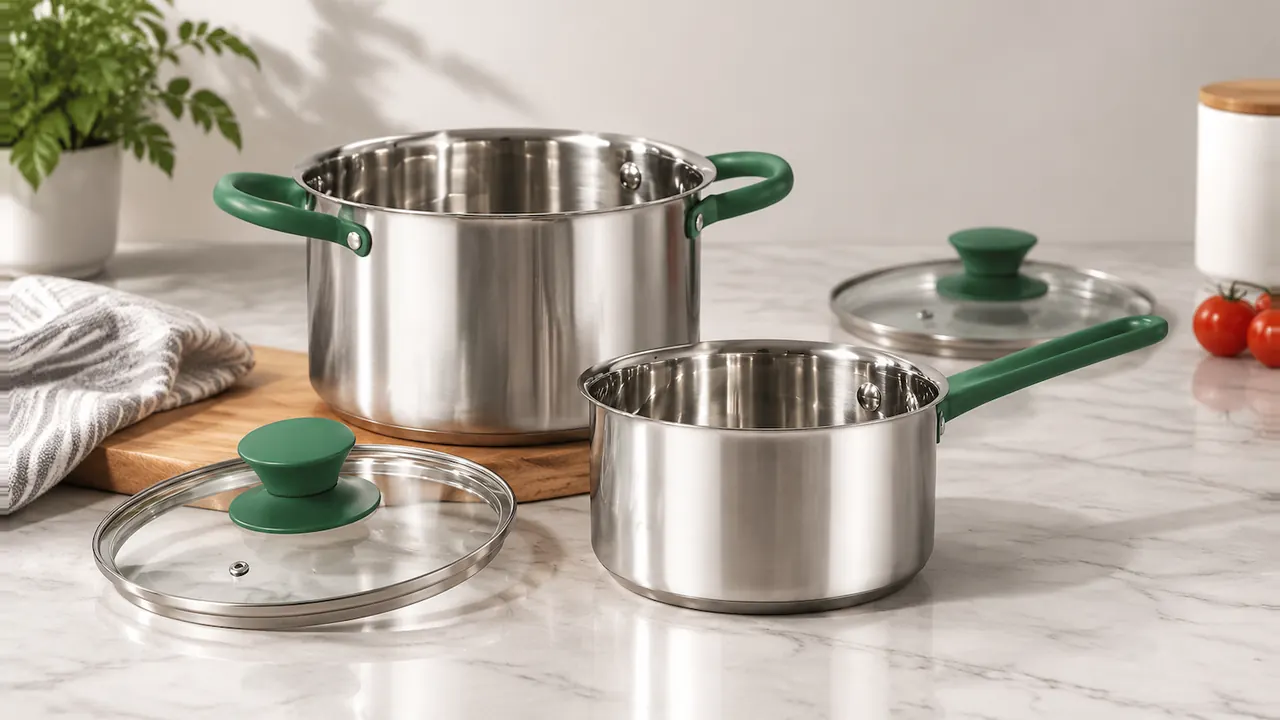
A coordinated set can simplify a fit-out, but the mix should still follow each station’s work.
Read more →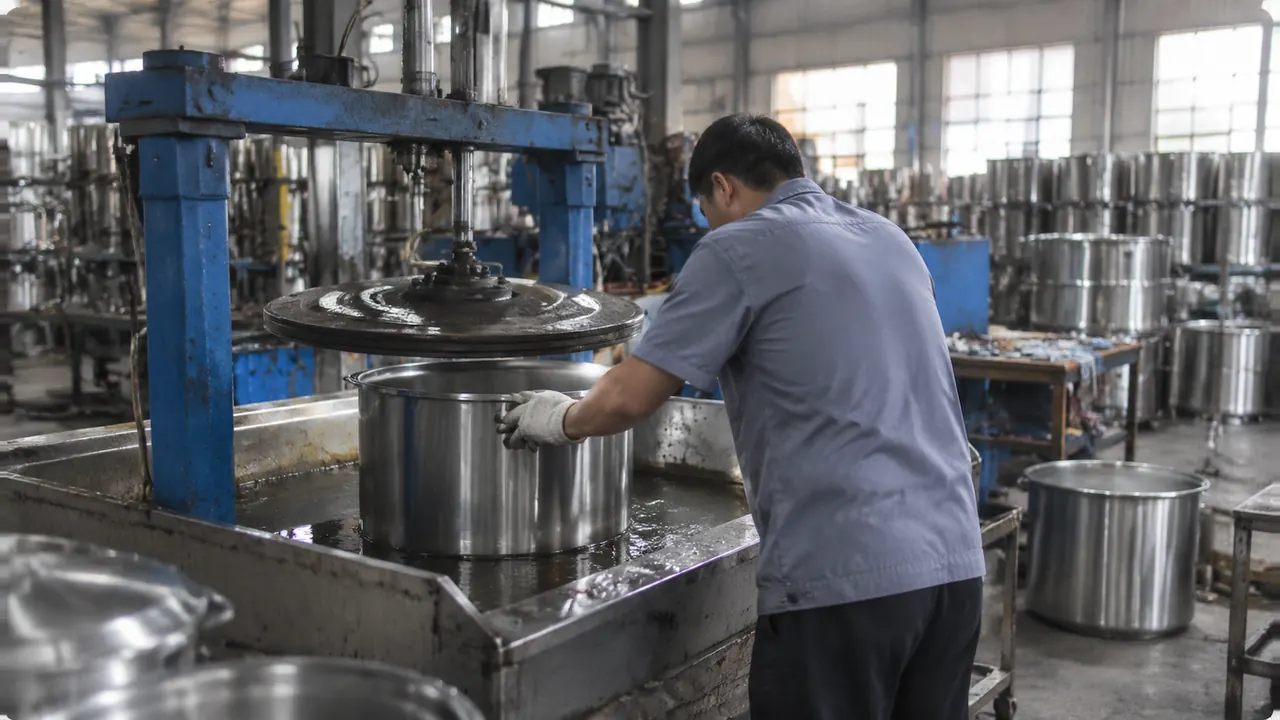
Buyers can request how seams, faucets, and lids are checked — without assuming a single factory method.
Read more →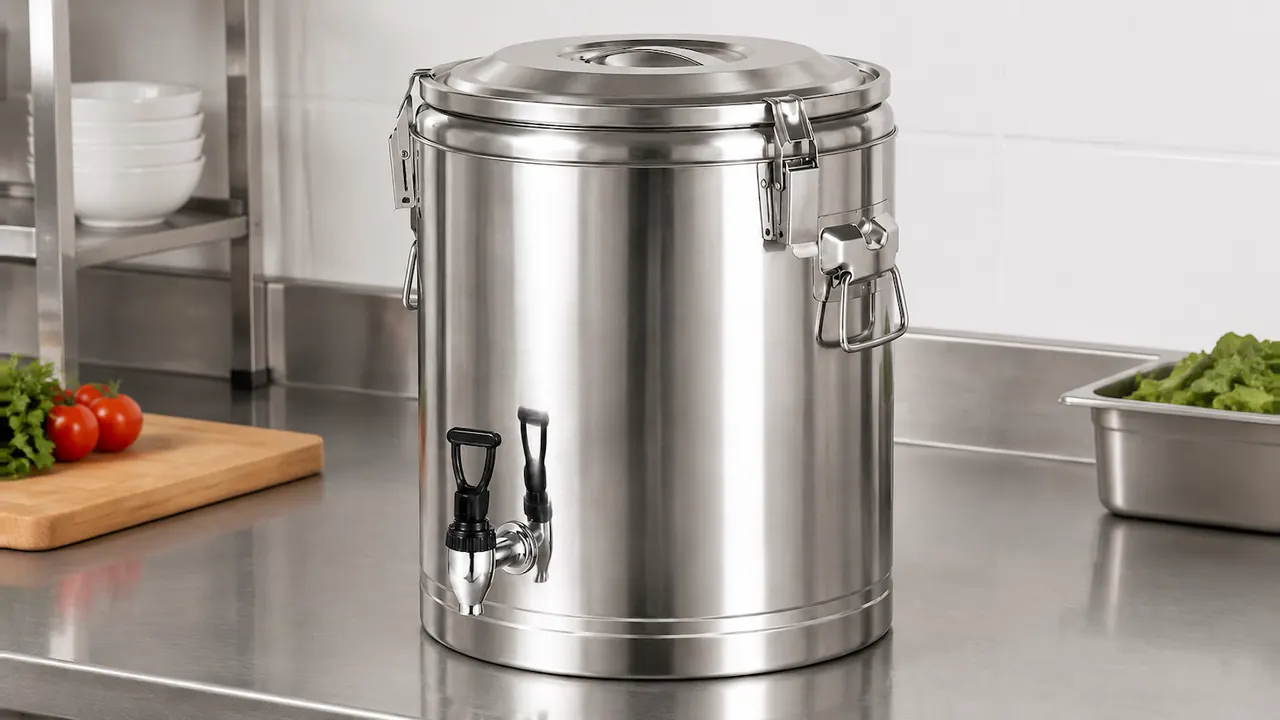
The three common barrel forms — tall cooking, insulated, and faucet — serve different stations; specify the job before the size.
Read more →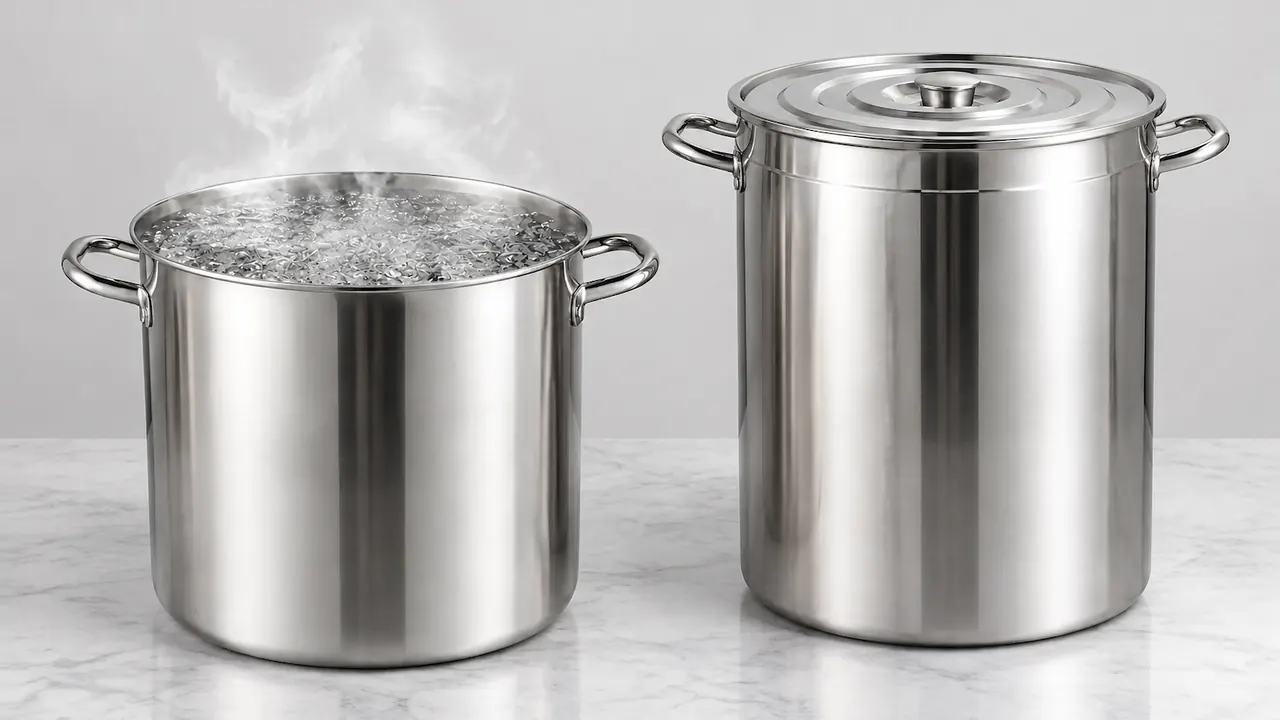
Similar capacity does not mean the same job — cooking, holding, and service need different vessel forms.
Read more →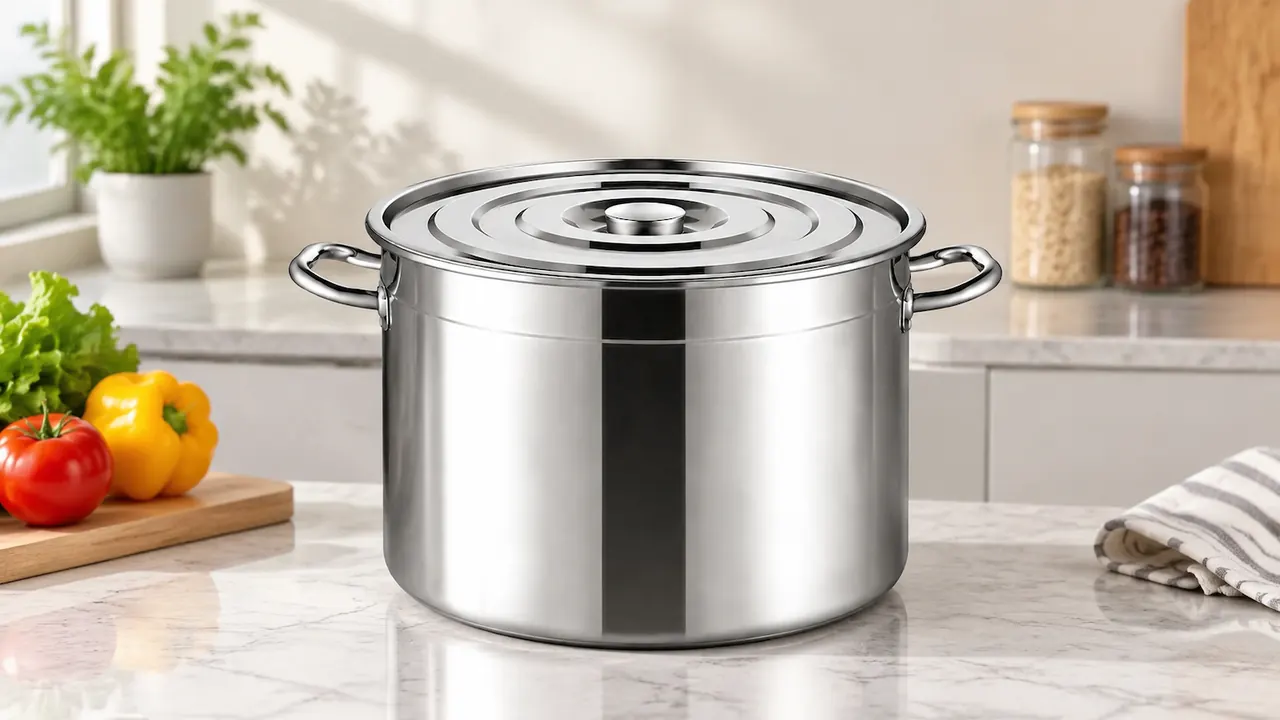
A short, complete brief makes quotes easier to compare across products and destinations.
Read more →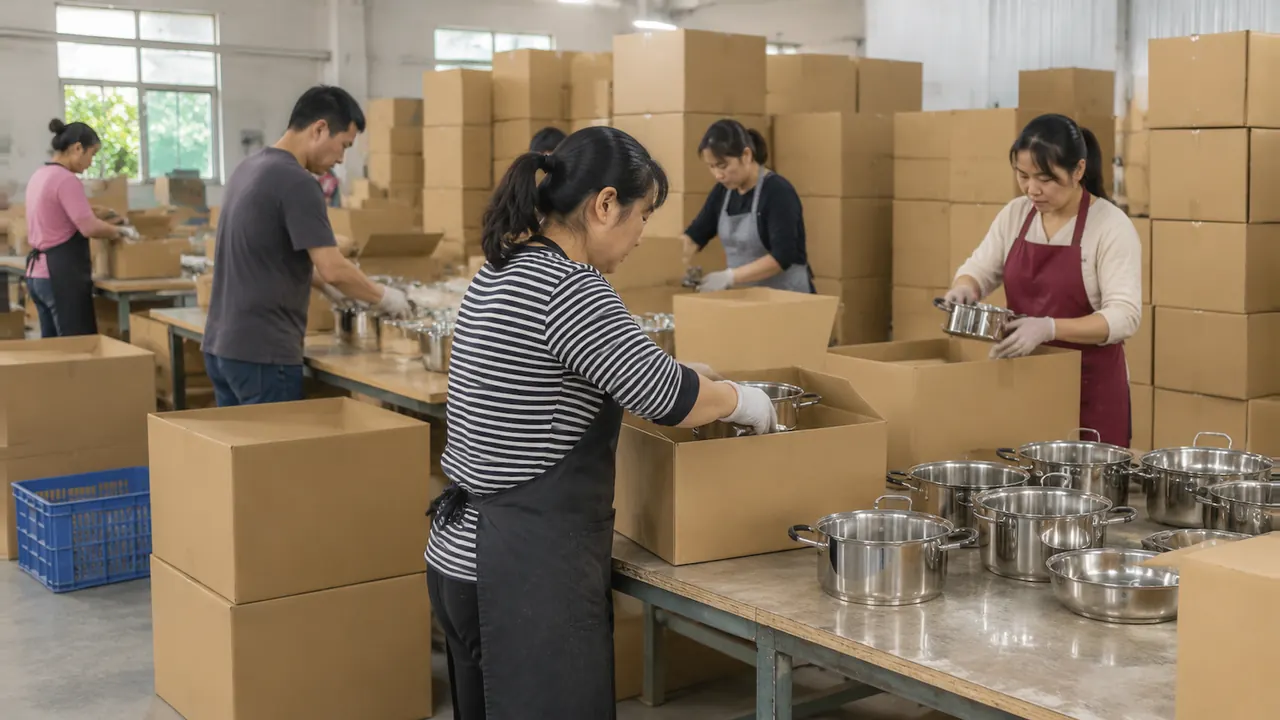
Treat the label, its application, and the outer carton as separate decisions in the quotation.
Read more →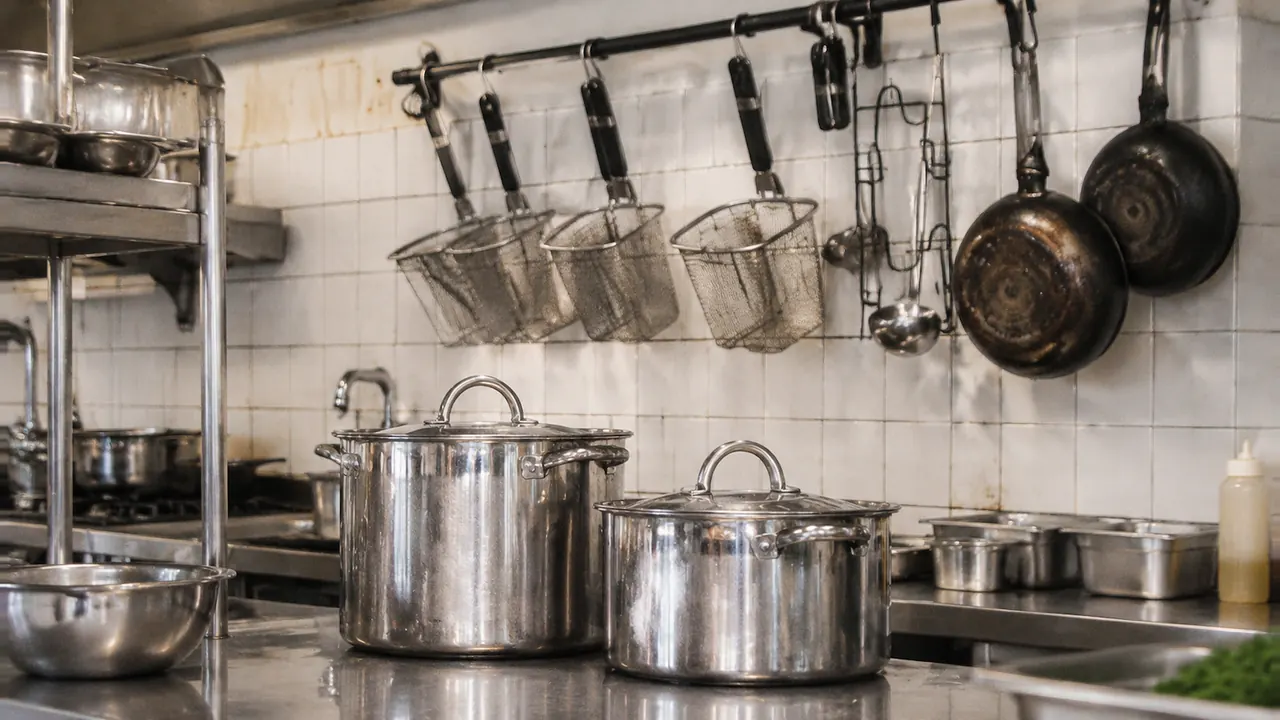
Start with the menu and batch size, then build a practical vessel assortment for each station on the hot line.
Read more →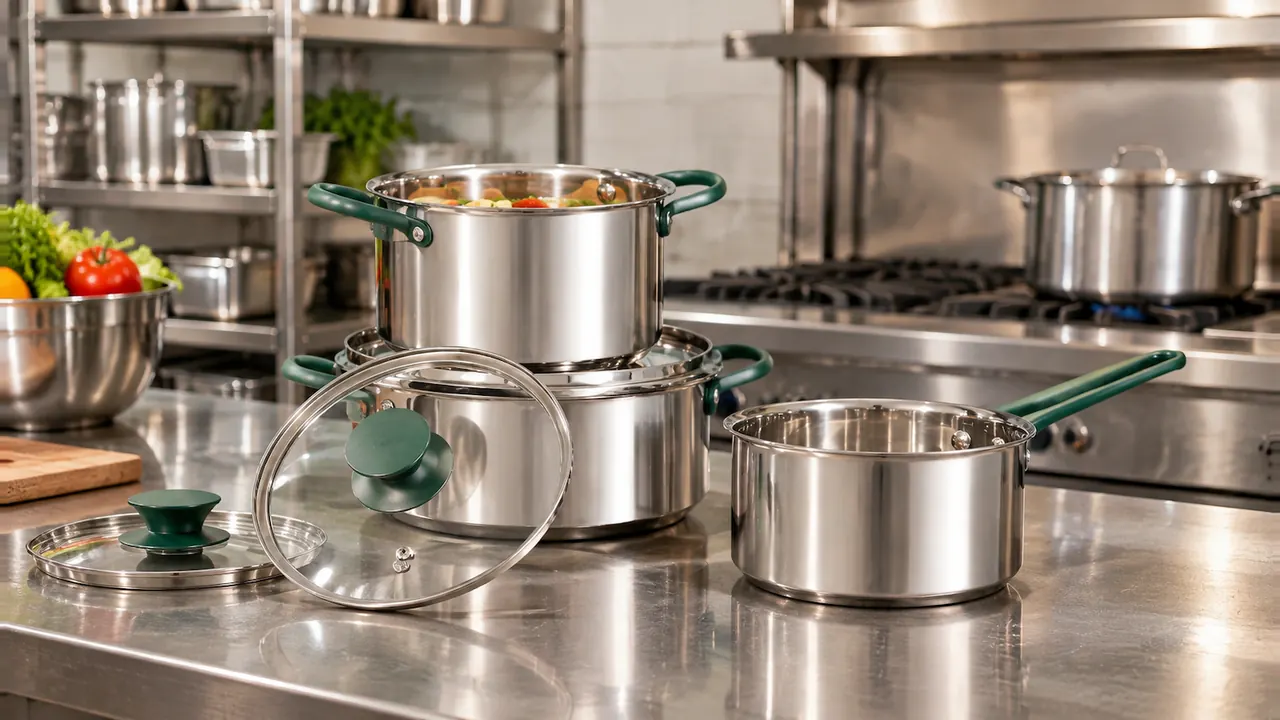
Heat, cleaning, and service life explain the preference better than slogans about what chefs “swear by.”
Read more →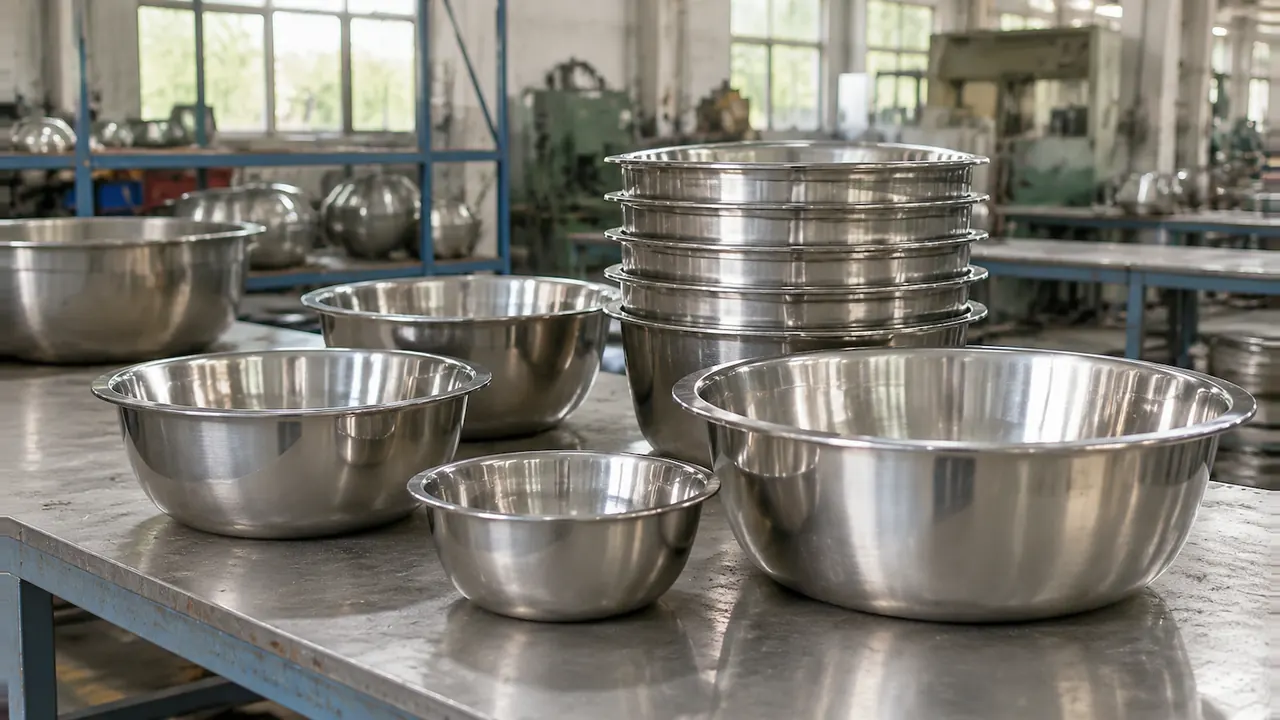
A short, coherent range is easier to quote, pack, and restock than a scattered catalog of one-offs.
Read more →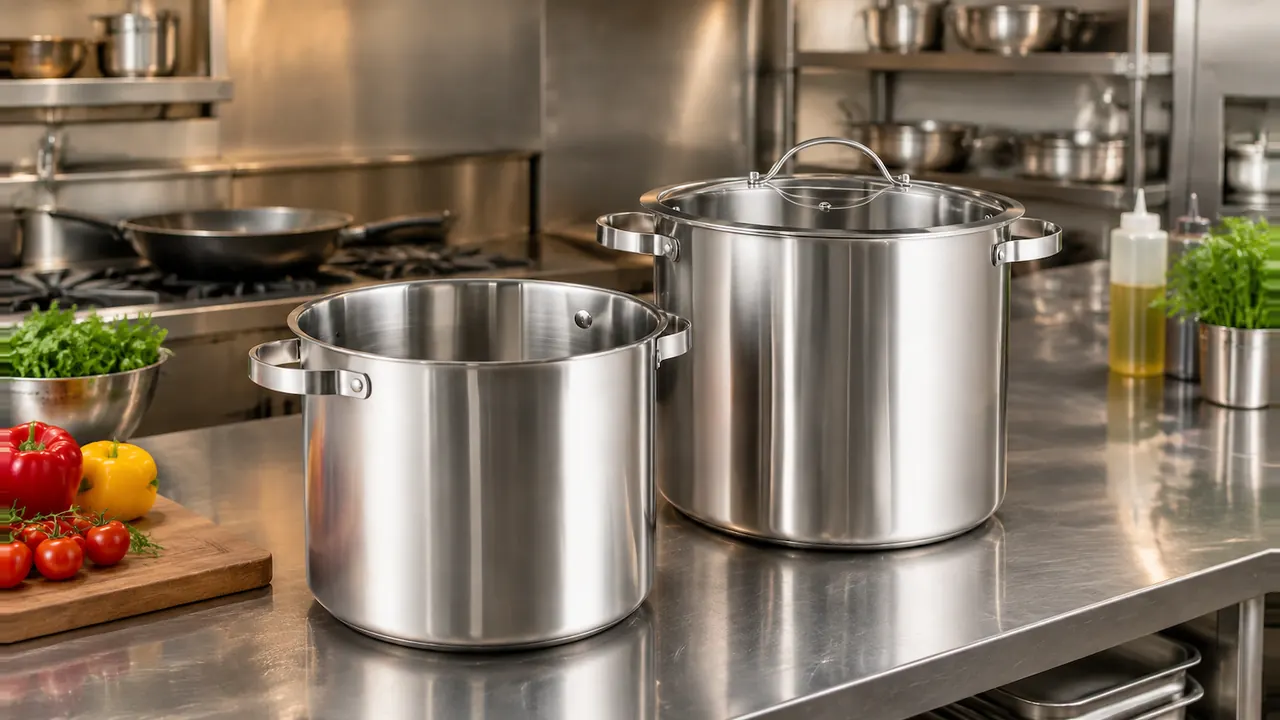
Equipment problems often show up as slow service; vessel size, lids, and station fit matter as much as unit price.
Read more →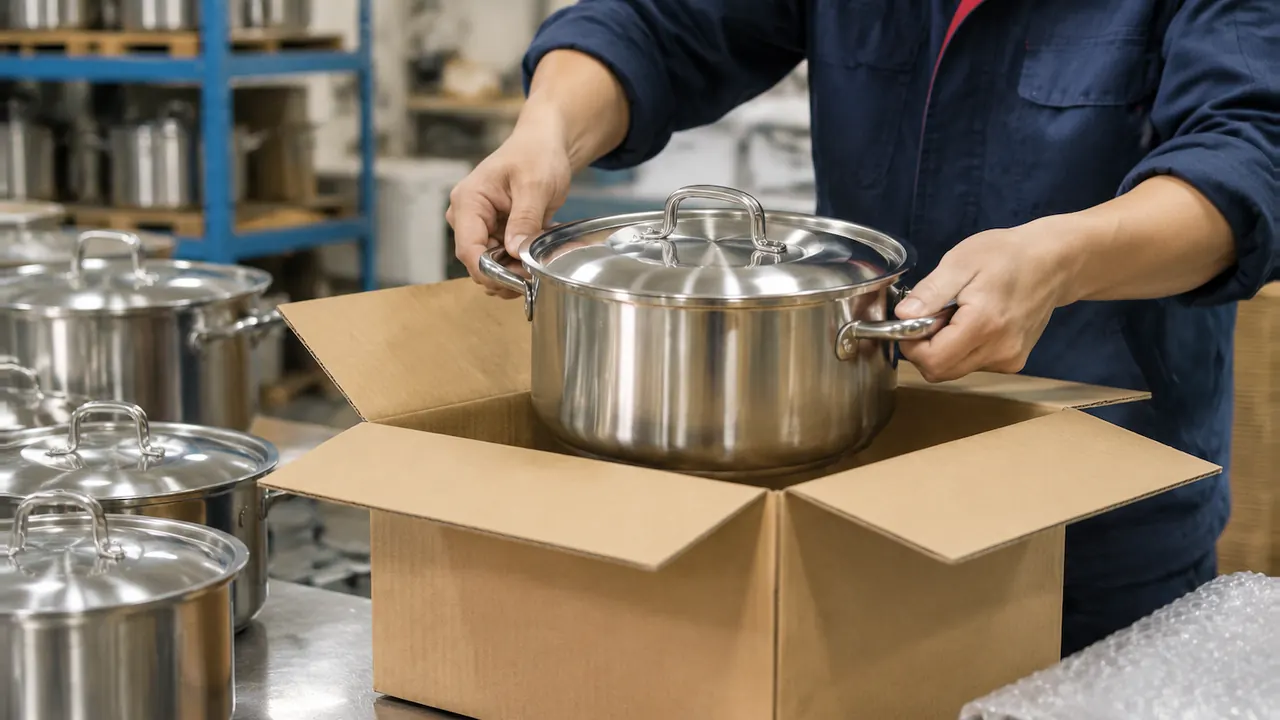
Artwork, handles, packing, and samples should be agreed before a repeat production run is treated as standard.
Read more →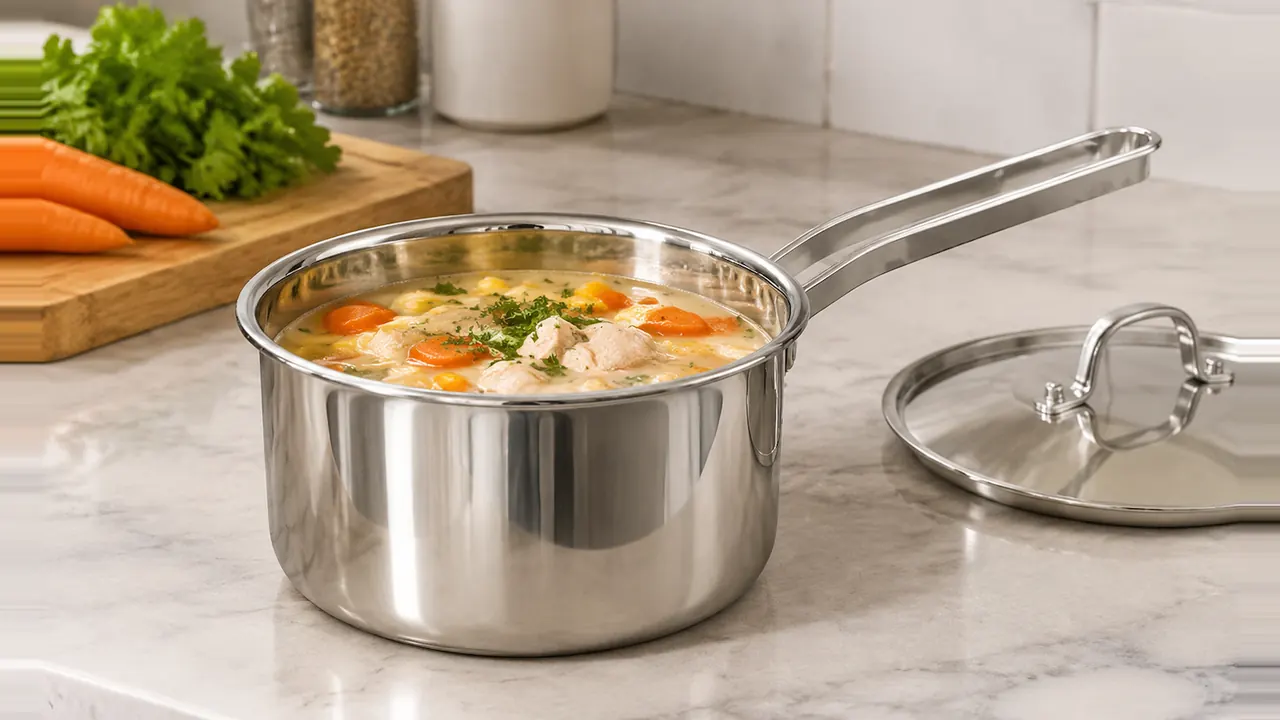
Small vessels earn their place on a hotel or catering prep list when sauces, milk, and small portions are frequent.
Read more →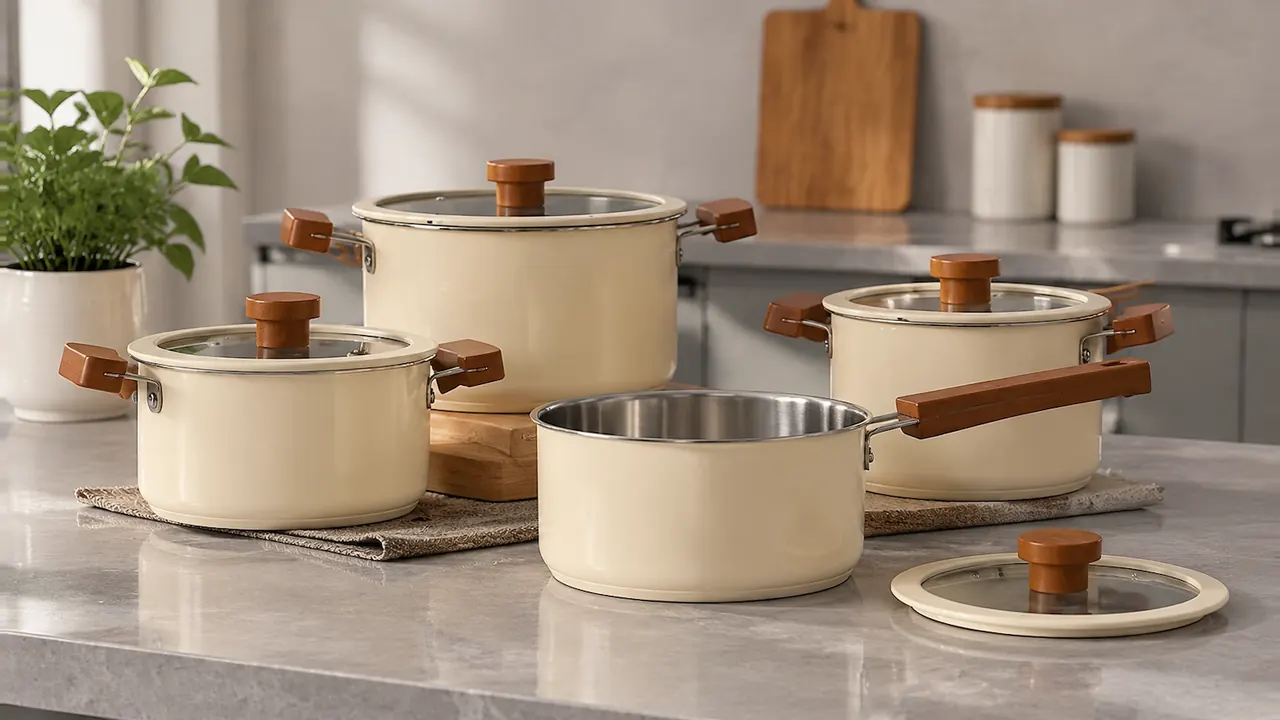
Coating type, heat limits, and care should be confirmed on the specification, not assumed from a label.
Read more →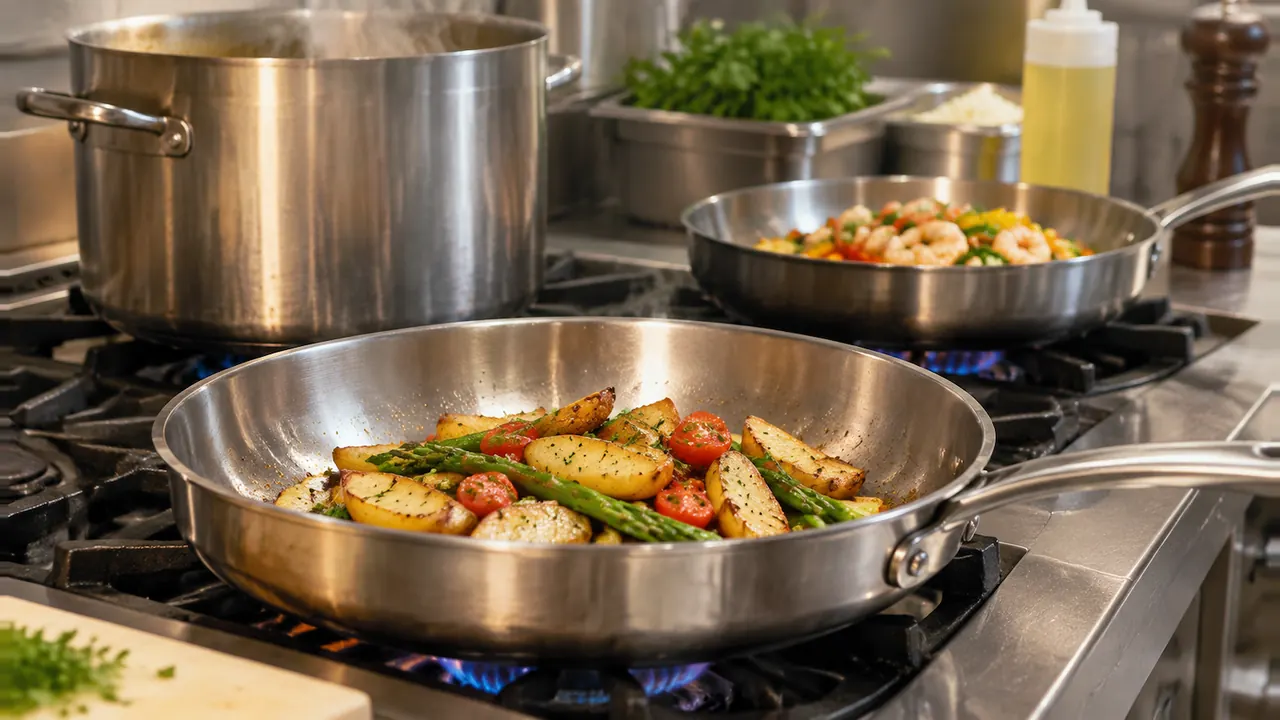
Boiling, simmering, searing, and steaming — matched to vessel type and heat source in a professional kitchen.
Read more →
Ask for documents that match the destination and the actual item; do not treat a website claim as a certificate.
Read more →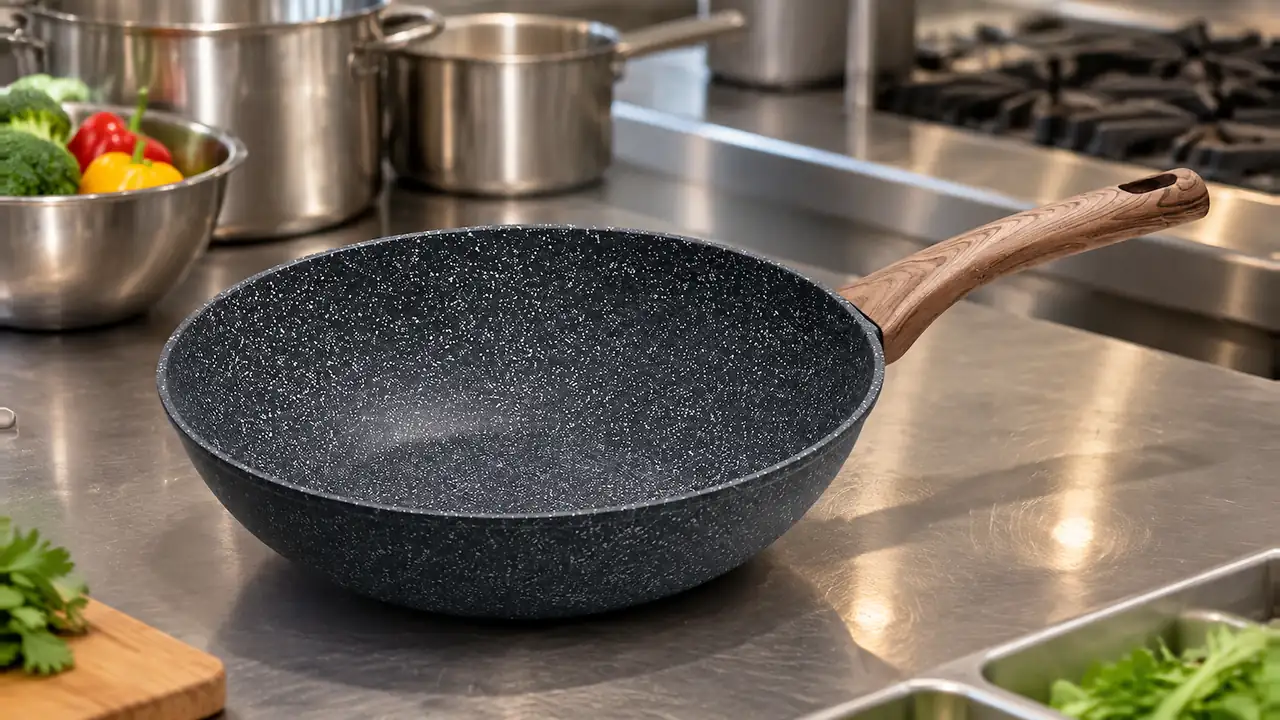
Each has a place in a professional kitchen; the choice should follow the cooking task, cleaning routine, and replacement plan.
Read more →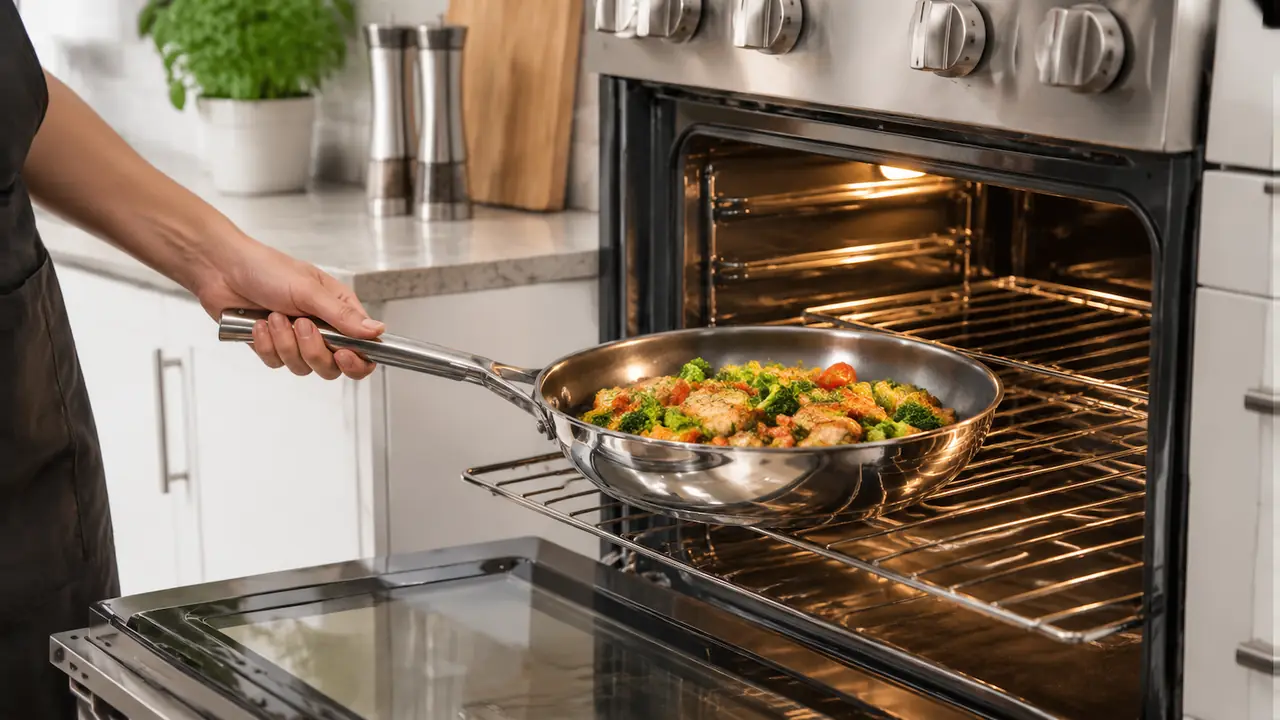
The vessel body may tolerate the oven when lids, handles, and coatings are also suitable.
Read more →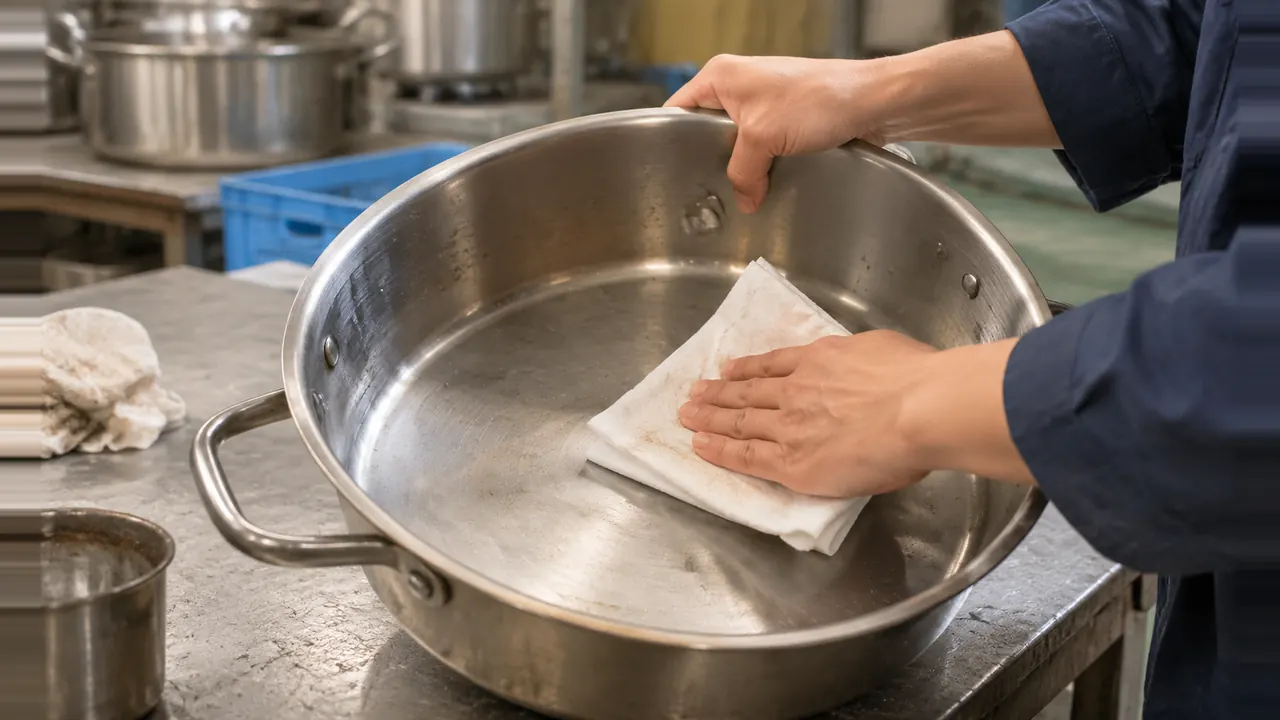
What different polish methods are for, and what buyers should still confirm on a sample.
Read more →
What distributors should specify when adding hanging or outdoor pots to a wholesale range.
Read more →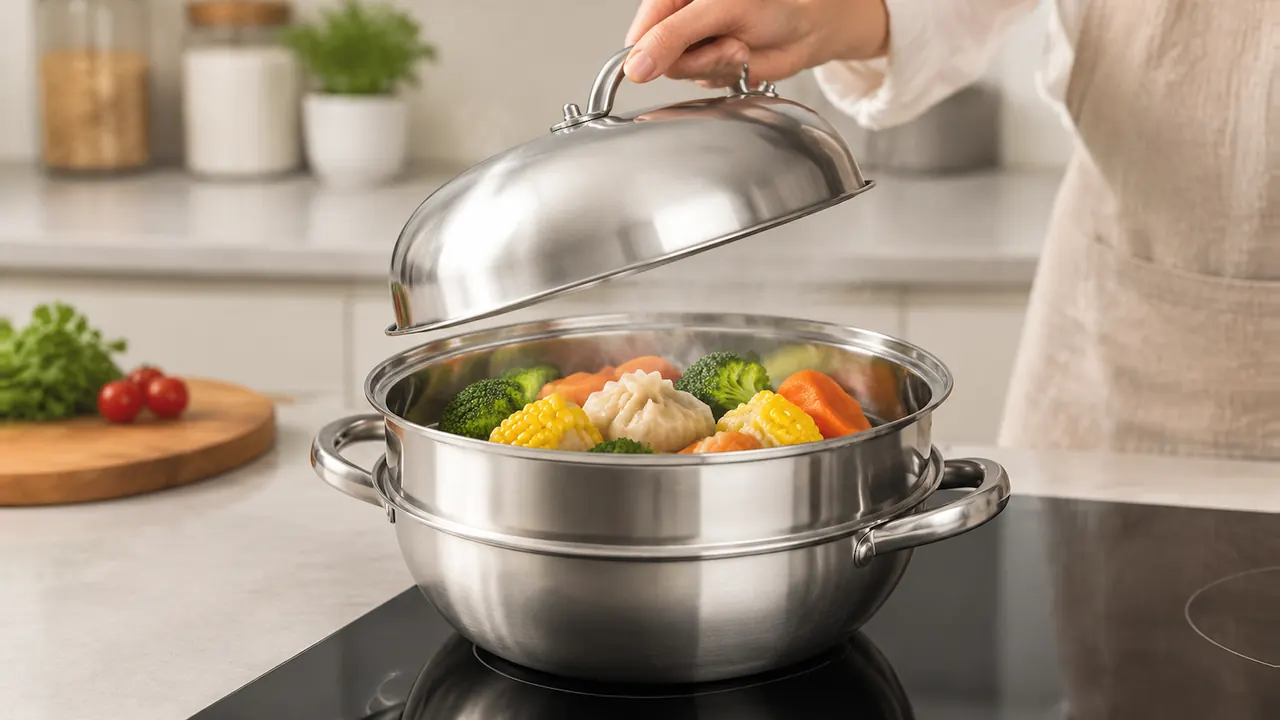
How multi-tier steamers and pot-plus-insert sets fit batch cooking on a catering or hotel production line.
Read more →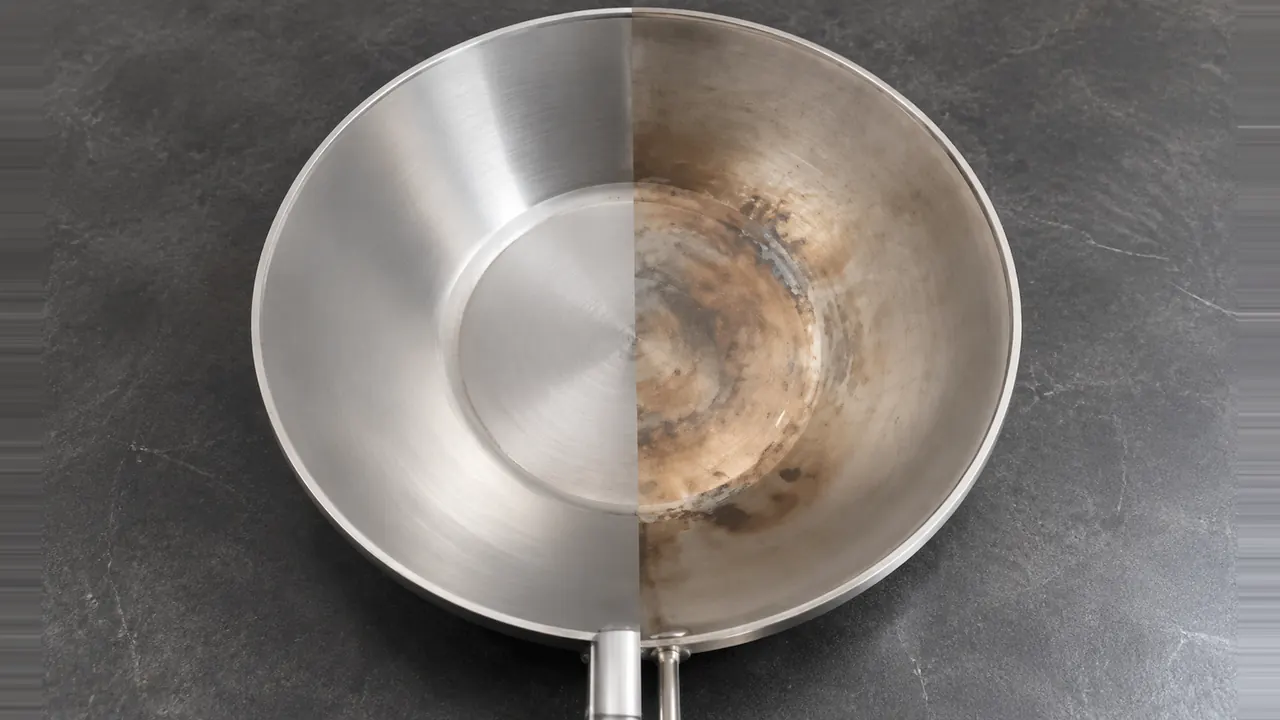
Heat tint, hard water, and detergent residue are common reasons stainless pots yellow; invented coatings are not required to explain it.
Read more →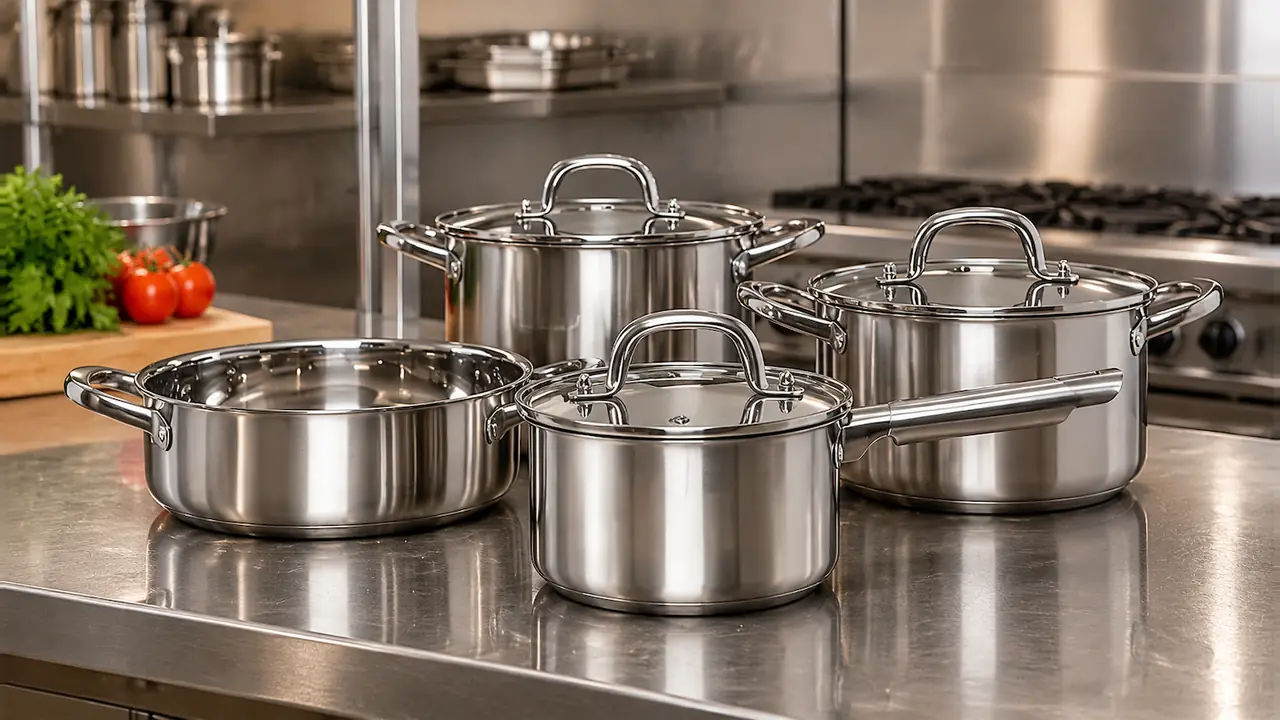
Salt, humidity, and cleaning chemicals can stress stainless; ask for grade and finish to match the site.
Read more →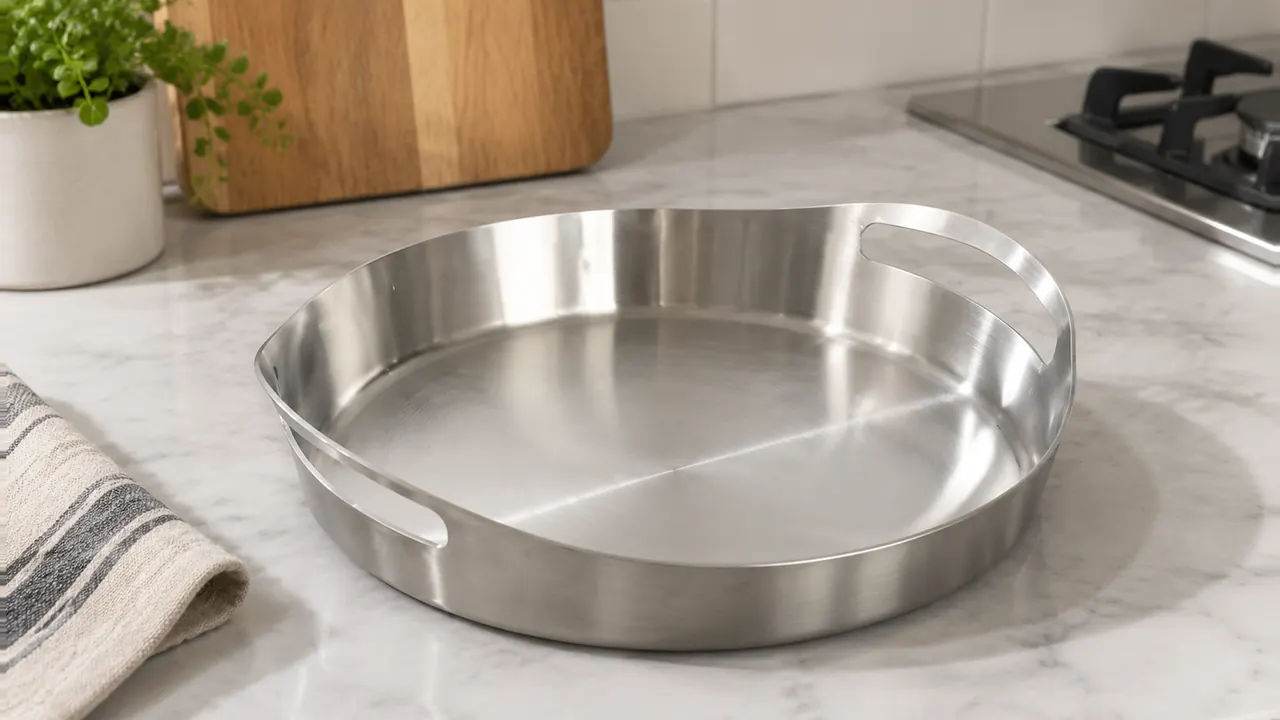
Everyday washing, discoloration, and storage habits that keep stainless vessels in service longer.
Read more →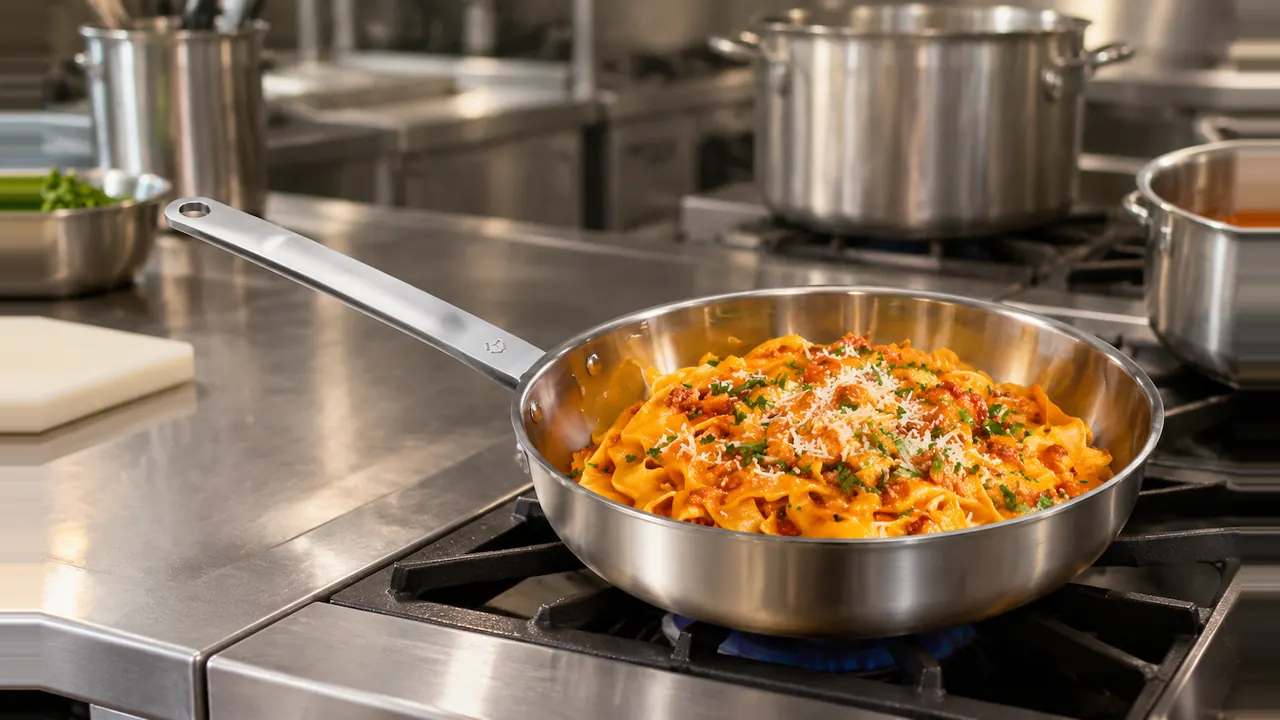
Heat, oil, and surface condition matter more than marketing claims about “non-stick stainless.”
Read more →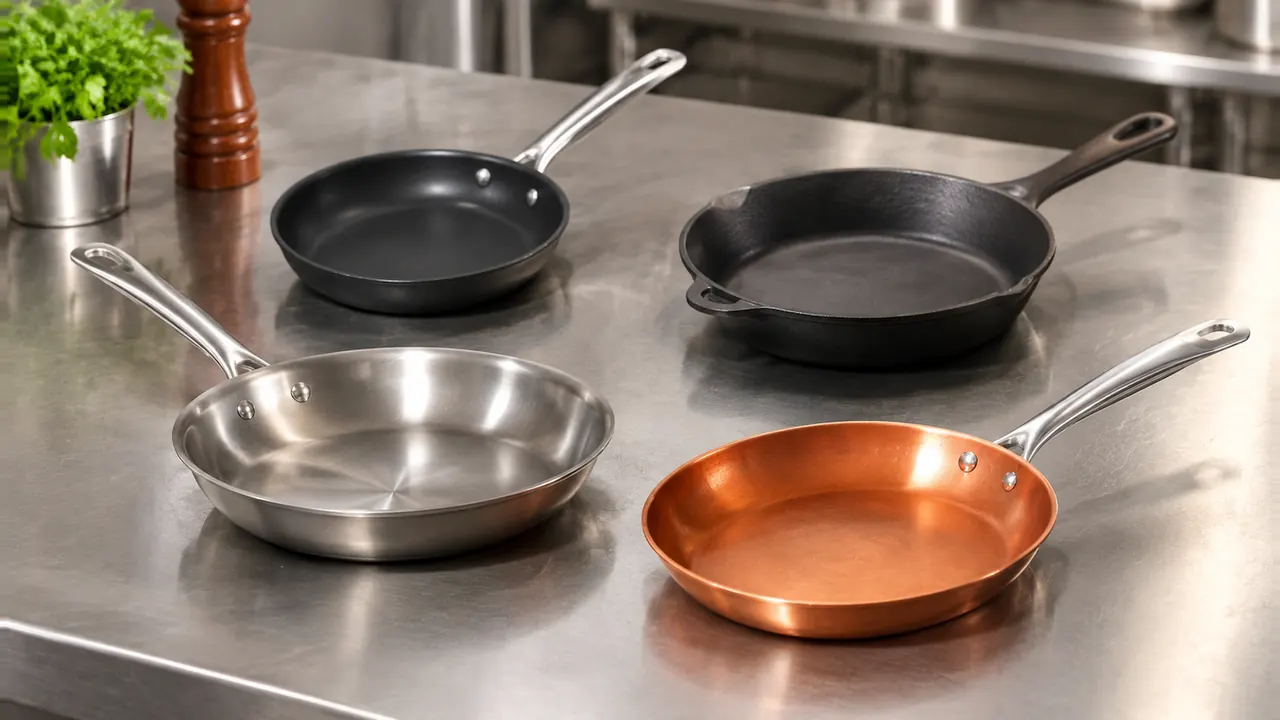
Construction, heat source, handles, and finish — chosen against the actual cooking task in a commercial kitchen.
Read more →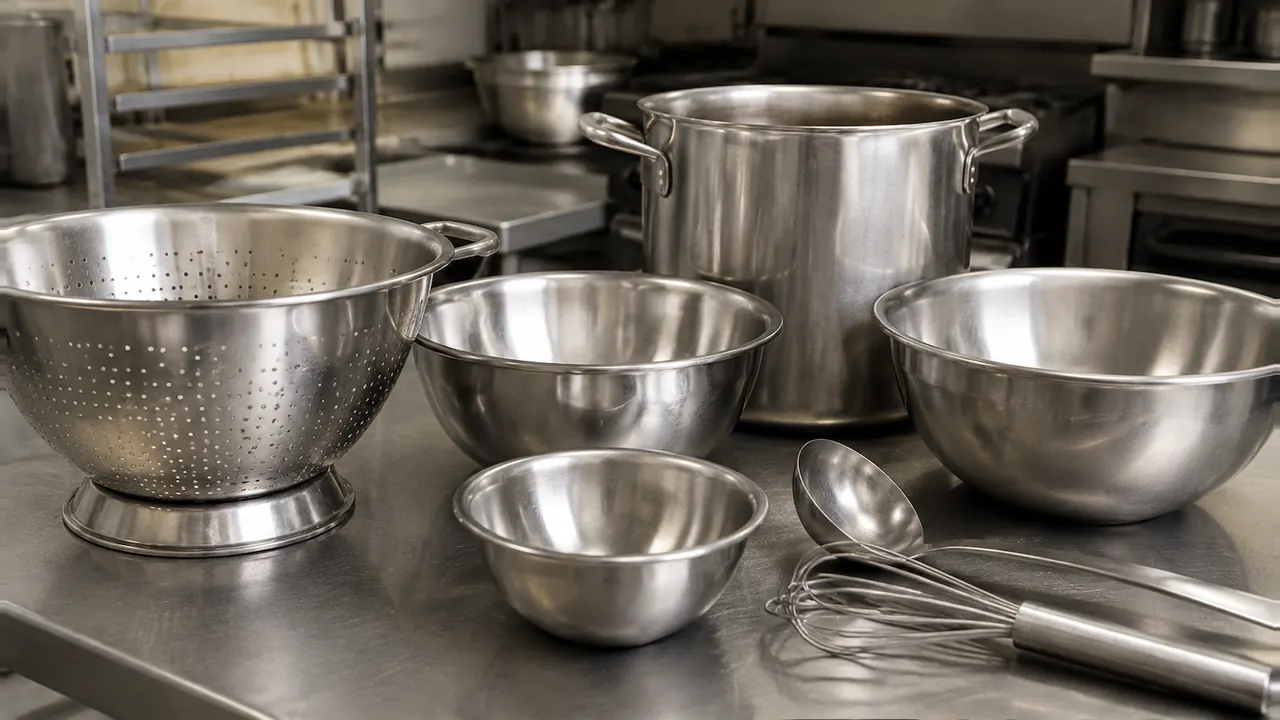
A factual briefing on coated cookware questions for professional buyers, without invented certificates or legal advice.
Read more →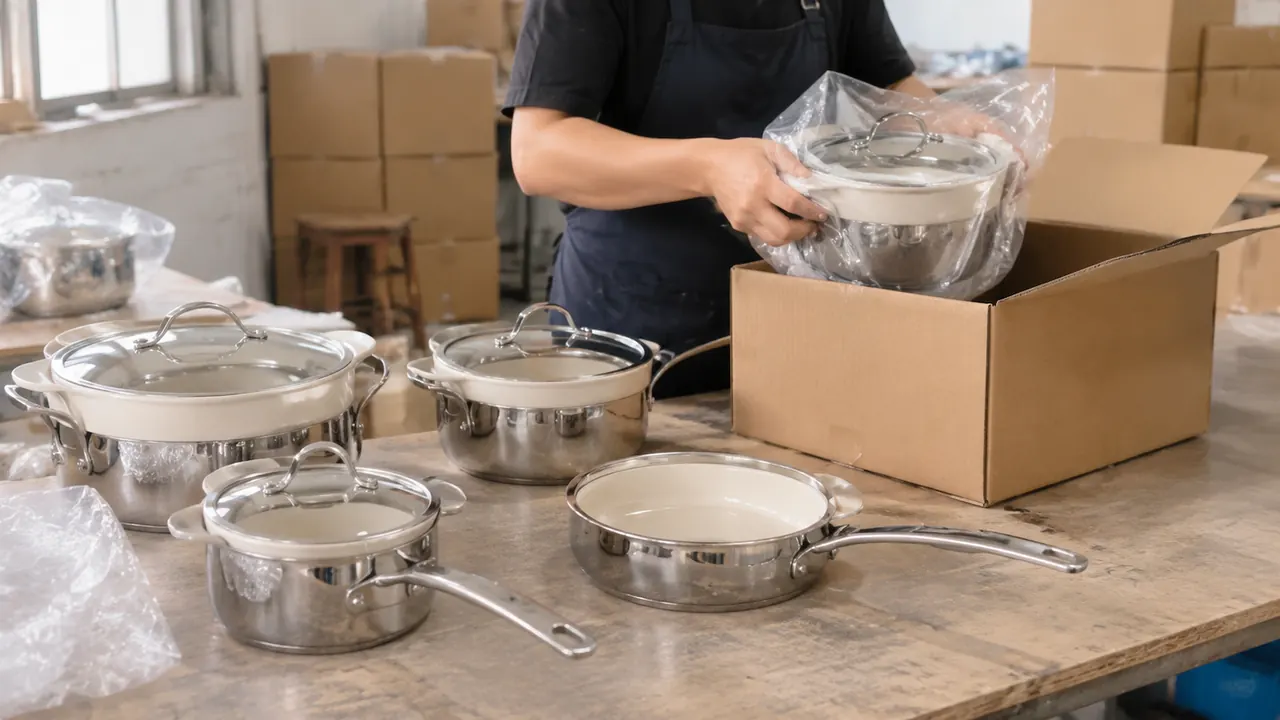
Quantities, sizes, packing, and sample checks that make a bulk order easier to compare — without invented minimums or lead times.
Read more →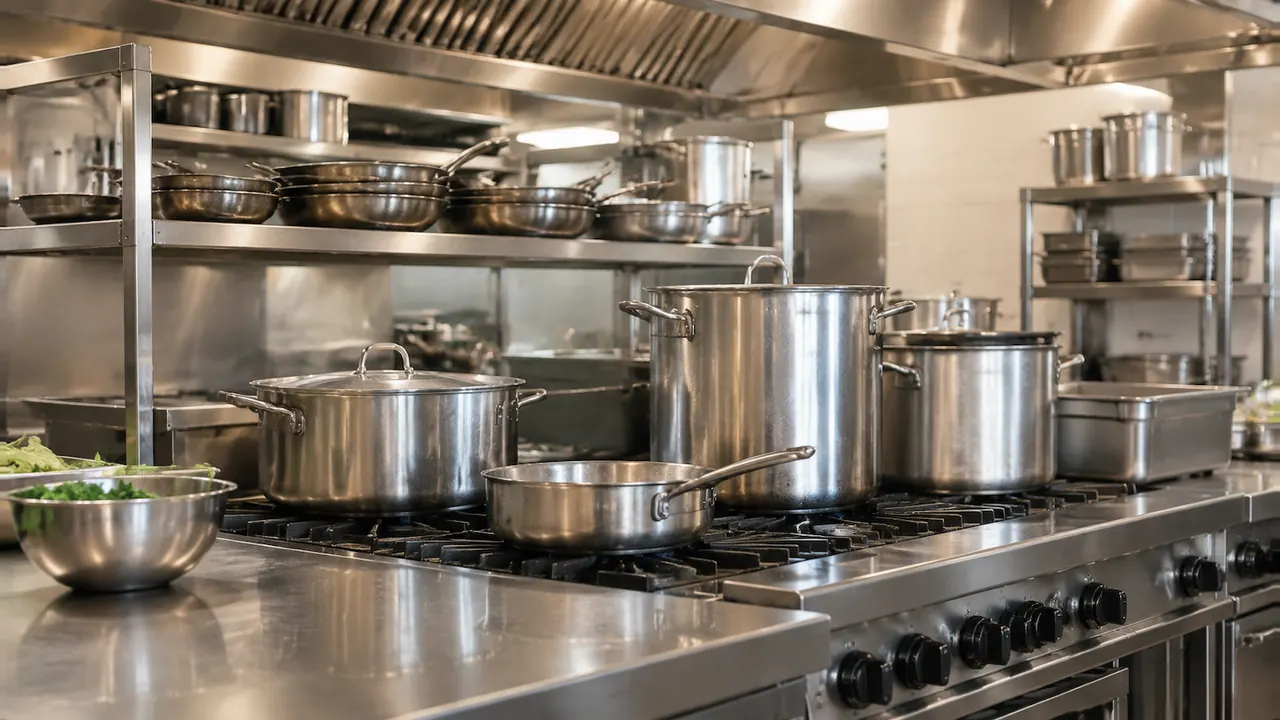
Durability, hygiene, station fit, and replacement planning for hotel production and service — without treating price as the only line.
Read more →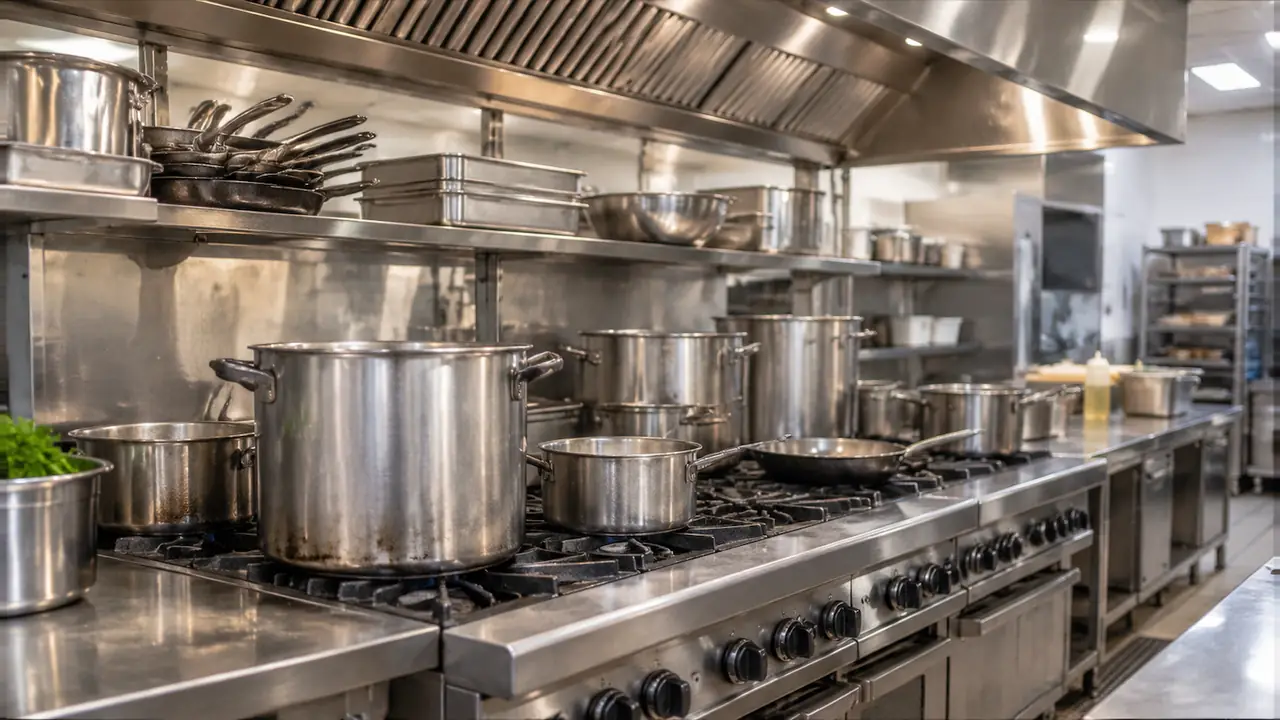
Start from the menu and stations, then choose vessels that fit heat sources, washing, and storage.
Read more →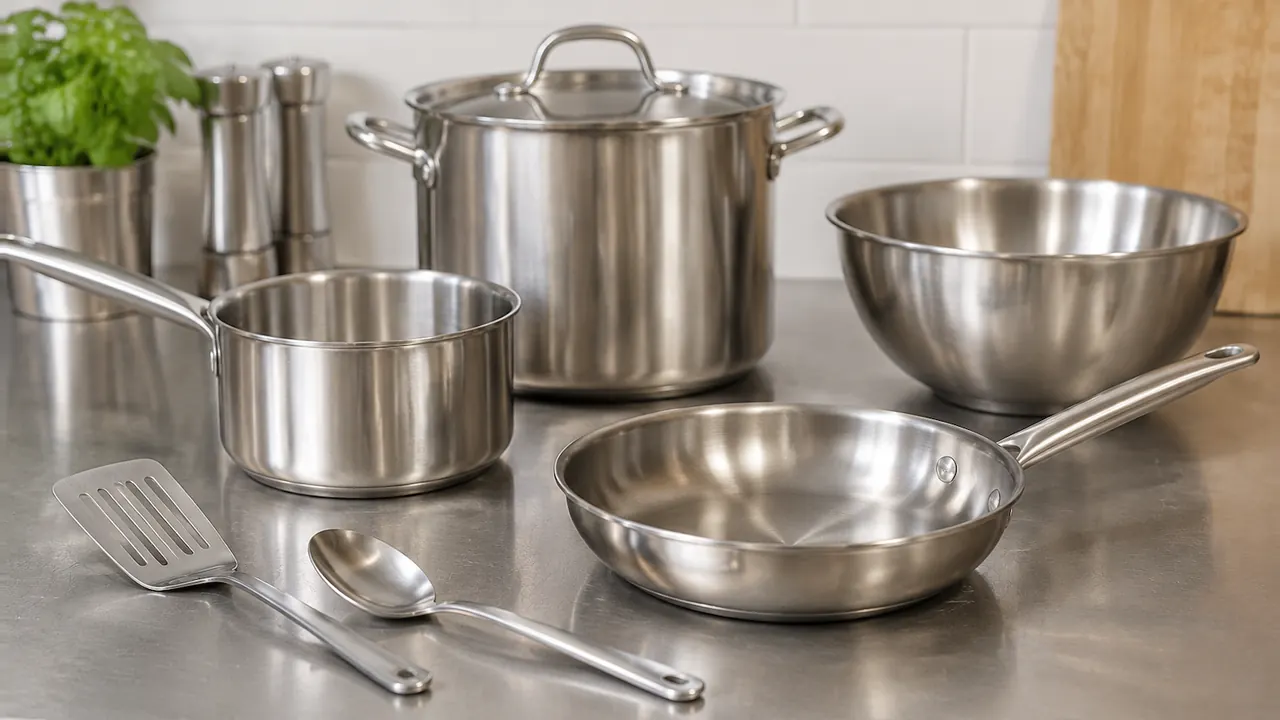
A practical explanation of magnet tests, clad bases, and what a fridge magnet does not prove.
Read more →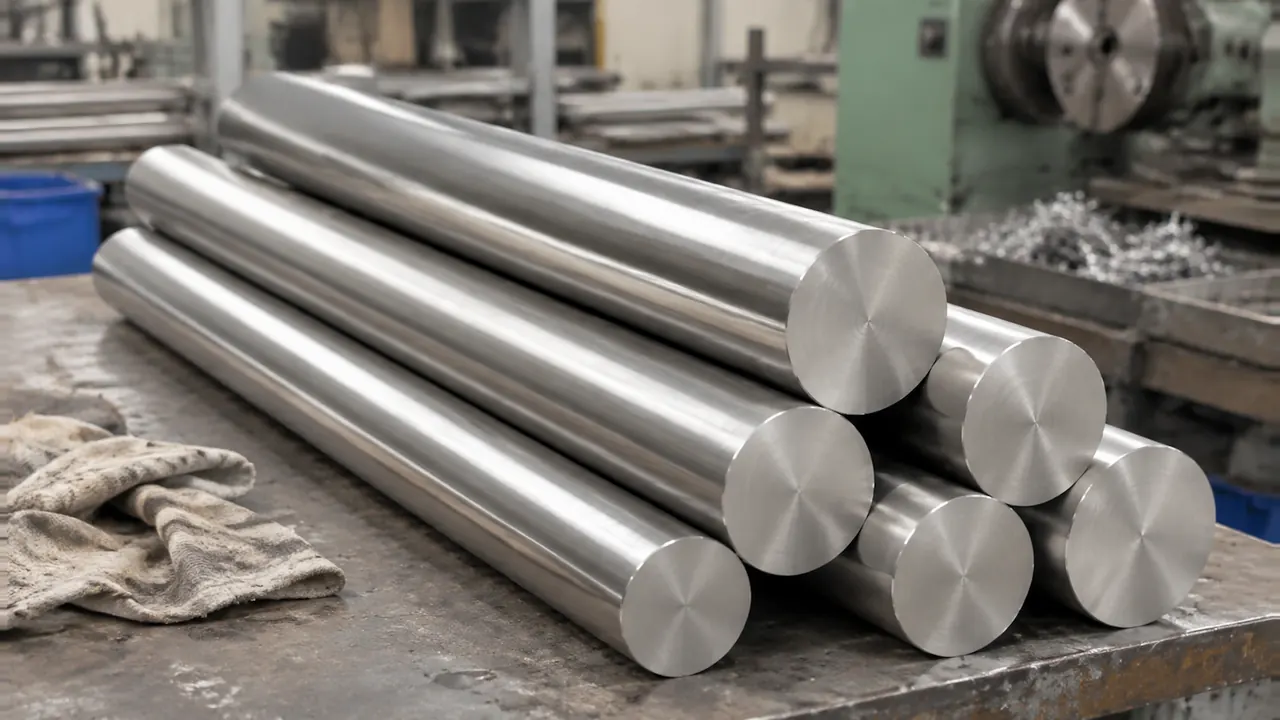
How to ask for grade information carefully, without treating a catalog line as a certificate.
Read more →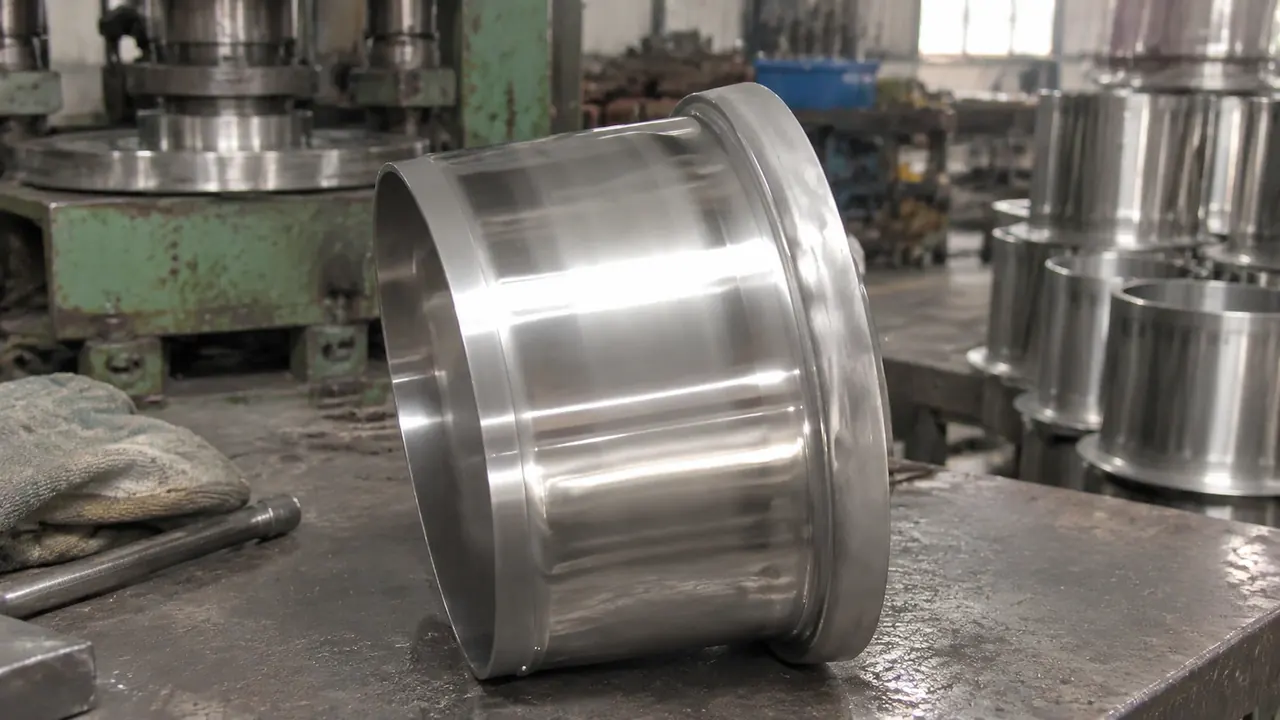
How polishing and surface work affect cleaning, appearance, and daily handling of stainless cookware.
Read more →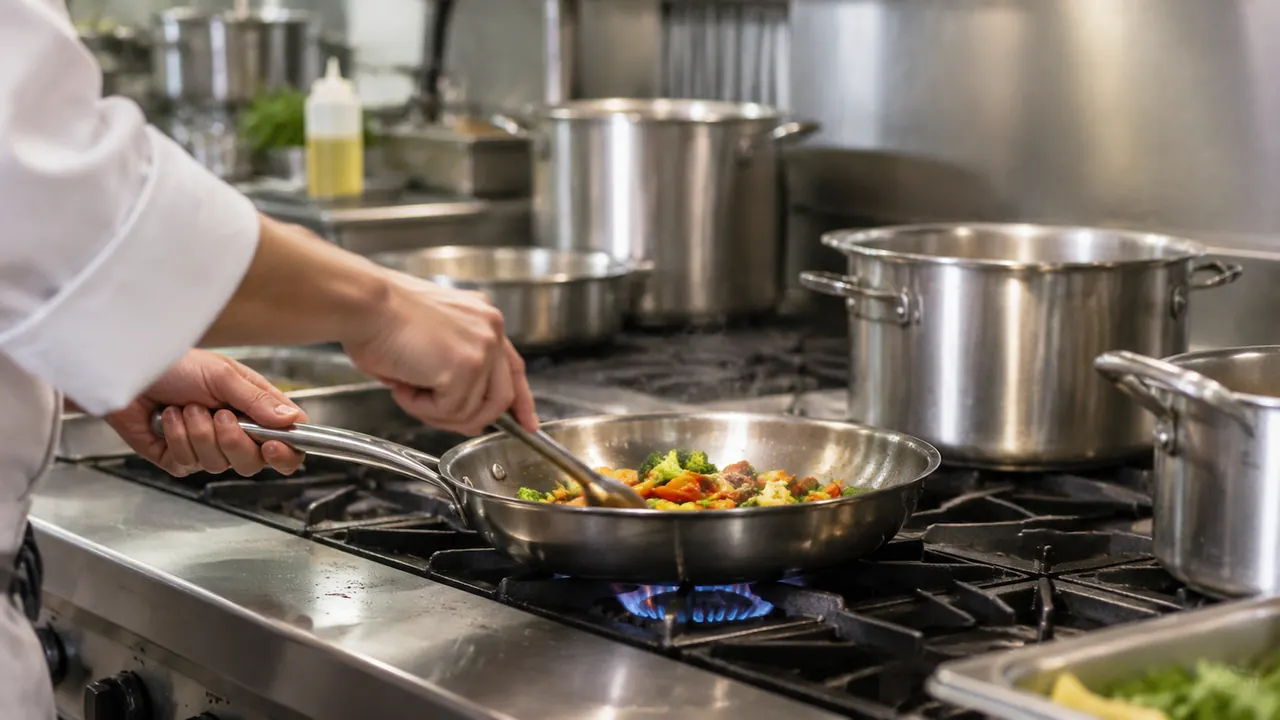
What “induction compatible” usually depends on, and what to confirm when a kitchen also uses gas.
Read more →
How finish choice affects cleaning, appearance, and commercial service on stainless pots and pans.
Read more →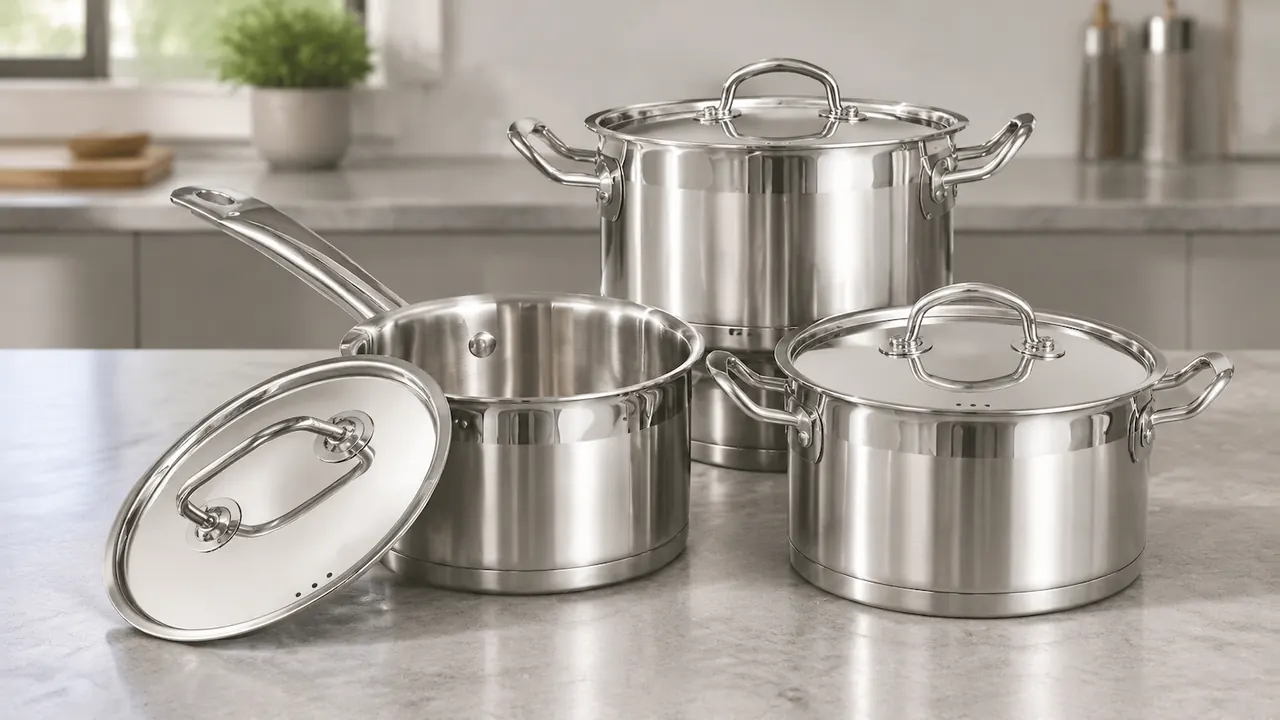
What these shorthand marks usually mean, and what still needs to be confirmed on a quotation.
Read more →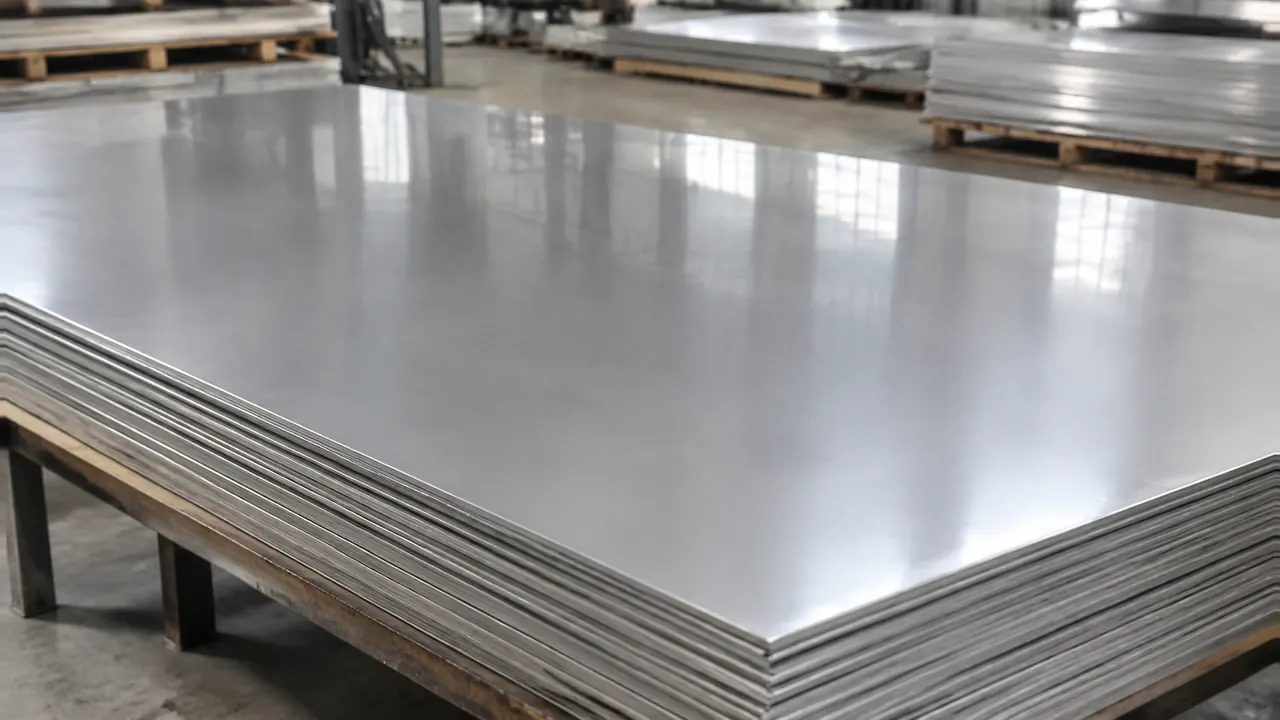
A cautious comparison for coastal, high-salt, or more corrosive kitchen conditions — and when 304 may already be enough.
Read more →
How buyers can talk about common stainless grades for commercial cookware without overclaiming a specification.
Read more →
A clear look at bonded construction and where it is useful in professional kitchens — without treating it as the only option.
Read more →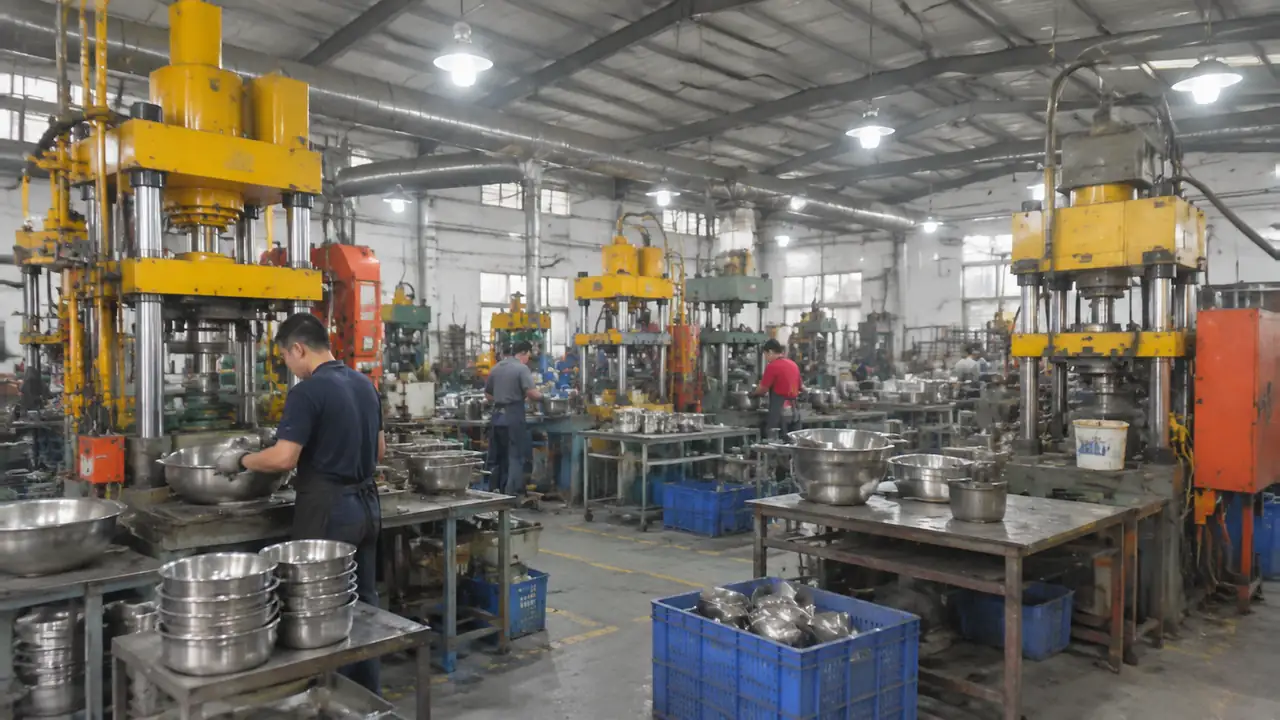
What importers can check in a factory conversation without relying on marketing claims or unverified figures.
Read more →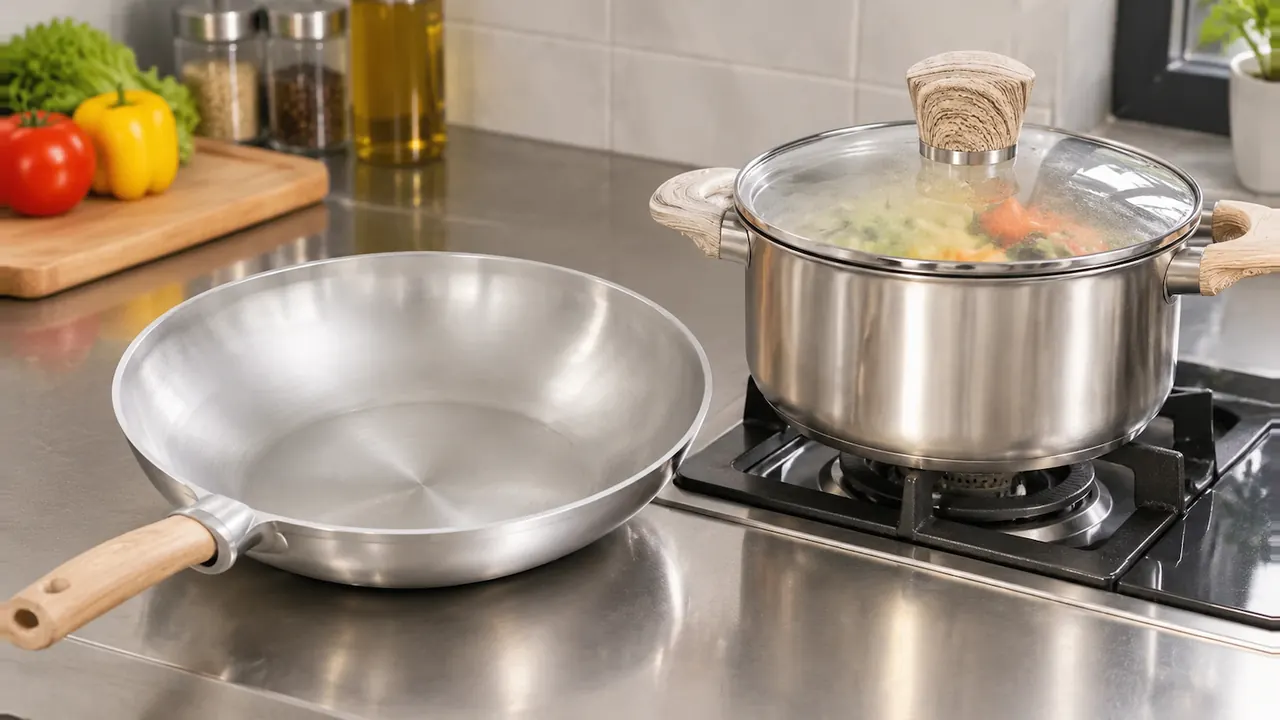
A practical comparison for buyers choosing vessels for hotel and restaurant production — heat, cleaning, and service life included.
Read more →