Utensora · Buyer resources
It is not a contest with a single winner
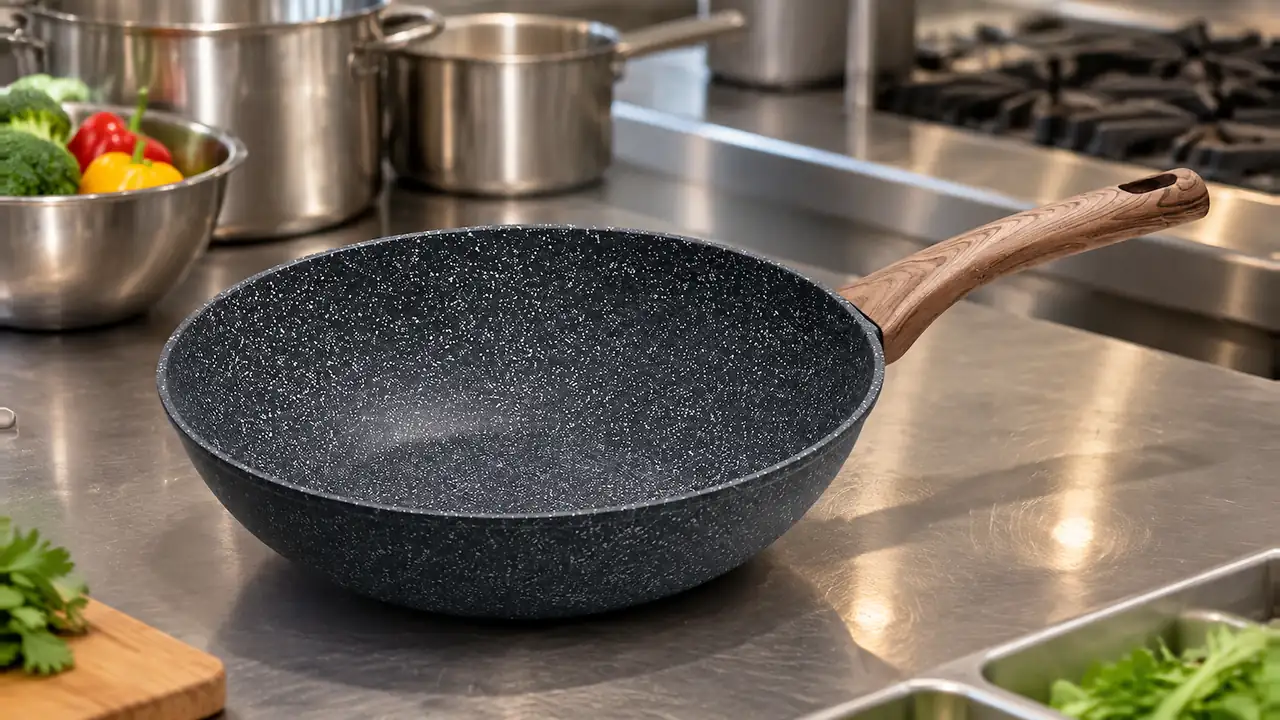
Stainless steel and non-stick cookware answer different problems. Stainless is typically chosen for high heat, deglazing, durability in a hard pot wash, and long service on stocks, sauces, and searing. Non-stick coatings can make delicate or low-fat work easier, especially eggs and some fish, but the coating is a wear surface and will not last indefinitely in a busy hotel kitchen. Chefs who prefer stainless for most work may still keep a coated pan on one station. A balanced list is usually more realistic than a rule that one material should replace the other everywhere.
Match the pan to the station
Write down the tasks that stick today and the tasks that already work in stainless. Breakfast lines often need a different pan from a sauce station. If a coating is chosen, record heat limits, utensil rules, and a replacement cycle. If stainless is chosen, allow for preheating and oil technique, and specify the construction and finish you want. Heat source matters in both cases: induction-ready bases, oven use, and handle type should be confirmed item by item.
Cleaning and staff habits
Non-stick pans generally should not be attacked with metal pads or overheated empty. Stainless pans can mark and discolor but are usually more tolerant of commercial washing. If a kitchen cannot control utensil use, a coated pan may fail early and create a false economy. Training is part of the purchase. So is the decision to keep a small reserve of the most used diameters.
Send a mixed list if that is the real need
You can inquire for uncoated stainless and coated pans on the same RFQ if the stations are clear. Utensora can discuss that mix against sizes and quantities. Write to info@utensora.com or WhatsApp +86 13751663289.
This guide is general purchasing guidance. Product suitability and order terms must be confirmed for your specification.
← All buyer guides