Utensora · Buyer resources
Start with a core, then add depth
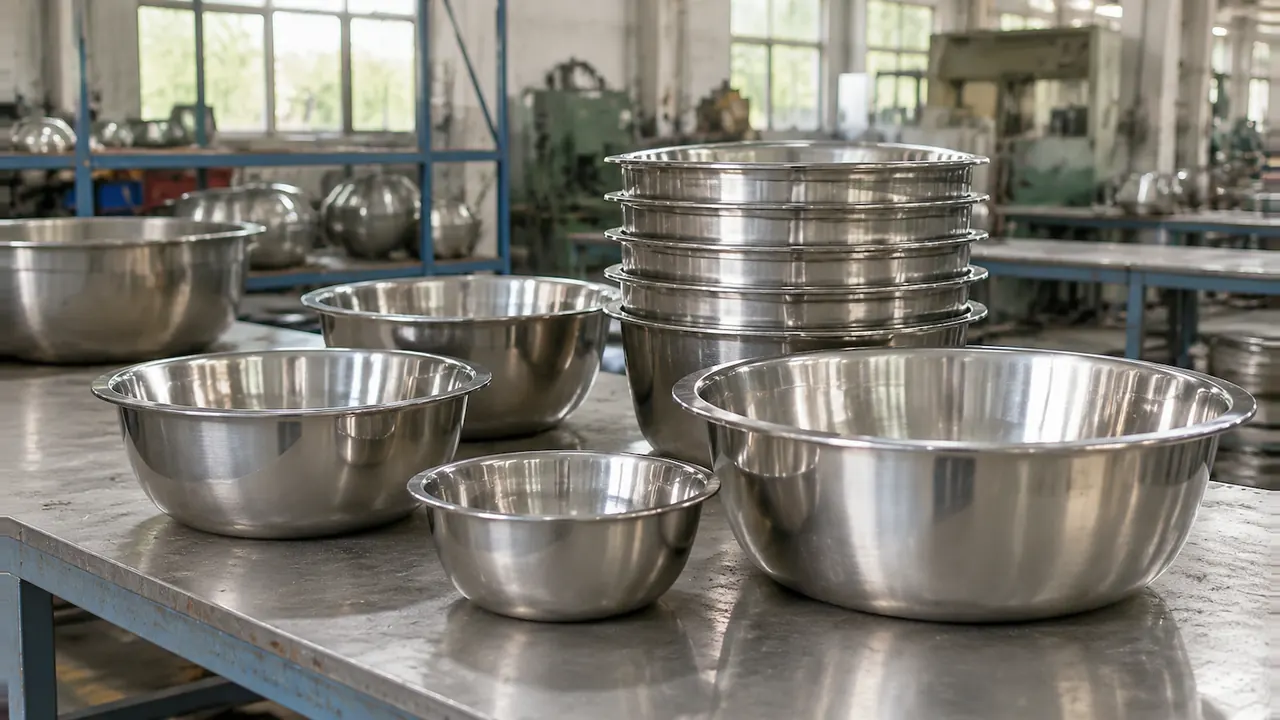
Importers and distributors often try to show too many shapes at once. A clearer program is a core of stock pots, a few soup barrel types, frying pans, a steamer, and perhaps a small pot set, with sizes that repeat across the range. Once that core sells and can be reordered, add special items such as outdoor pots, woks, or fryer pots where the market asks for them. A short range with reliable packing is easier to explain to a sales team than a long catalog with inconsistent handles and lids.
Make the items talk to each other
Where possible, align finishes, lid styles, and item coding so a customer can mix sizes without the range looking accidental. Decide which items are stock-pot family, which are service barrels, and which are pan family. Note induction needs and grade requests at the range level if your customers usually buy that way. Keep OEM label and carton options as a service on top of the core, not as a reason to invent a new shape for every buyer.
Think about the destination from the start
For Middle East and South America programs, packing, label languages, and port of discharge should be part of the assortment plan. Some markets will want more service barrels; others will want more stock pots or pans. You do not need a different factory story for each region, but you do need a size mix and packing note that can be quoted clearly.
Bring a draft range, not a blank page
A one-page assortment draft is enough to start a conversation. Utensora can discuss a cookware range for wholesale programs against that draft. Send it to info@utensora.com or WhatsApp +86 13751663289.
This guide is general purchasing guidance. Product suitability and order terms must be confirmed for your specification.
← All buyer guides