Utensora · Buyer resources
Custom work is a sequence, not a slogan
An OEM or custom cookware program usually starts with a standard shape and then changes selected details: a handle, a lid, a finish, a mark, or a carton. Those changes should be listed, sampled, and then frozen before you talk about a repeatable production run. A loose request such as “make it our brand” is not enough. Write down what must be unique and what can stay standard. That keeps the quotation comparable and reduces surprises when the first shipment arrives.
Agree the visible details early
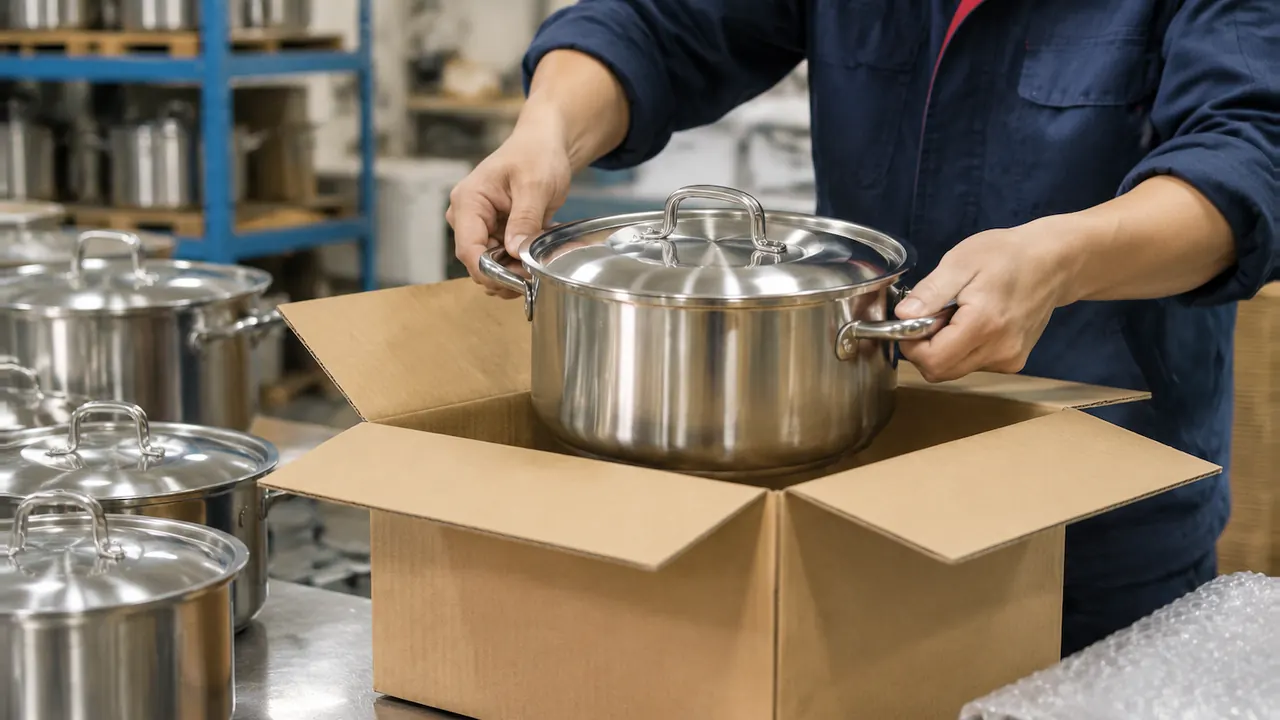
Artwork for logos, item codes, and language belongs in a drawing or a marked photo. Decide whether the mark is a label, an etch, or another method, and where it sits. Handle color, lid style, and finish should be approved on a sample. Packing — inner wrap, carton marks, color boxes if needed — is part of the custom work, not a later favor. Do not put certification marks or claims on artwork without permission and documents.
Plan the first run and the repeat
The first production run is where tolerances, packing, and labels are proven. Ask how changes will be recorded so a second order can match the first. If several destinations need different languages or marks, treat them as versions, not as one mixed carton unless you have agreed that mix. Quantities, sample needs, and delivery terms should be in the quotation. Do not assume a previous catalog item will automatically carry your new handle or logo.
Send a change list with the item list
Describe the base products, the custom points, and the destination. Utensora can discuss OEM labeling, packing, and specification changes on that basis. Contact info@utensora.com or WhatsApp +86 13751663289.
This guide is general purchasing guidance. Product suitability and order terms must be confirmed for your specification.
← All buyer guides